Elevation Certificates: What Southwest Florida Waterfront Buyers Need to Know
Most buyers touring waterfront homes along the Gulf Coast focus on the dock, the view, and the layout. Few ask to see the elevation certificate — and that document can move a flood insurance premium by thousands of dollars a year. If you’re serious about a canal or bayfront property in Cape Coral, Punta Gorda Isles, Port Charlotte, or anywhere else along Charlotte Harbor and the surrounding waterways, understanding this piece of paper is not optional homework. It’s a financial fact that shapes what the home actually costs to own.
What an Elevation Certificate Actually Is
An elevation certificate (EC) is a standardized FEMA form completed by a licensed surveyor. It records, among other things, the elevation of the home’s lowest floor relative to the Base Flood Elevation (BFE) set for that property’s flood zone. In plain terms: it tells an insurer how high the house sits compared to the flood level FEMA has calculated for a 100-year storm event in that specific location.
The form isn’t a general opinion about flood risk. It’s a precise measurement, tied to a specific structure on a specific lot, using specific reference points — the top of the bottom floor, the top of the next-higher floor, the lowest adjacent grade next to the building, and several other data points a surveyor records during a site visit.
Why It Matters More on the Water Than Anywhere Else
Every Florida home sits in a flood zone of some kind, but waterfront and near-waterfront parcels along the Gulf Coast are disproportionately mapped into Special Flood Hazard Areas — the zones beginning with “A” or “V” on FEMA flood maps, where flood insurance is effectively mandatory if there’s a mortgage involved. In those zones, the relationship between a home’s lowest floor elevation and the BFE is the single biggest lever on the flood insurance premium.
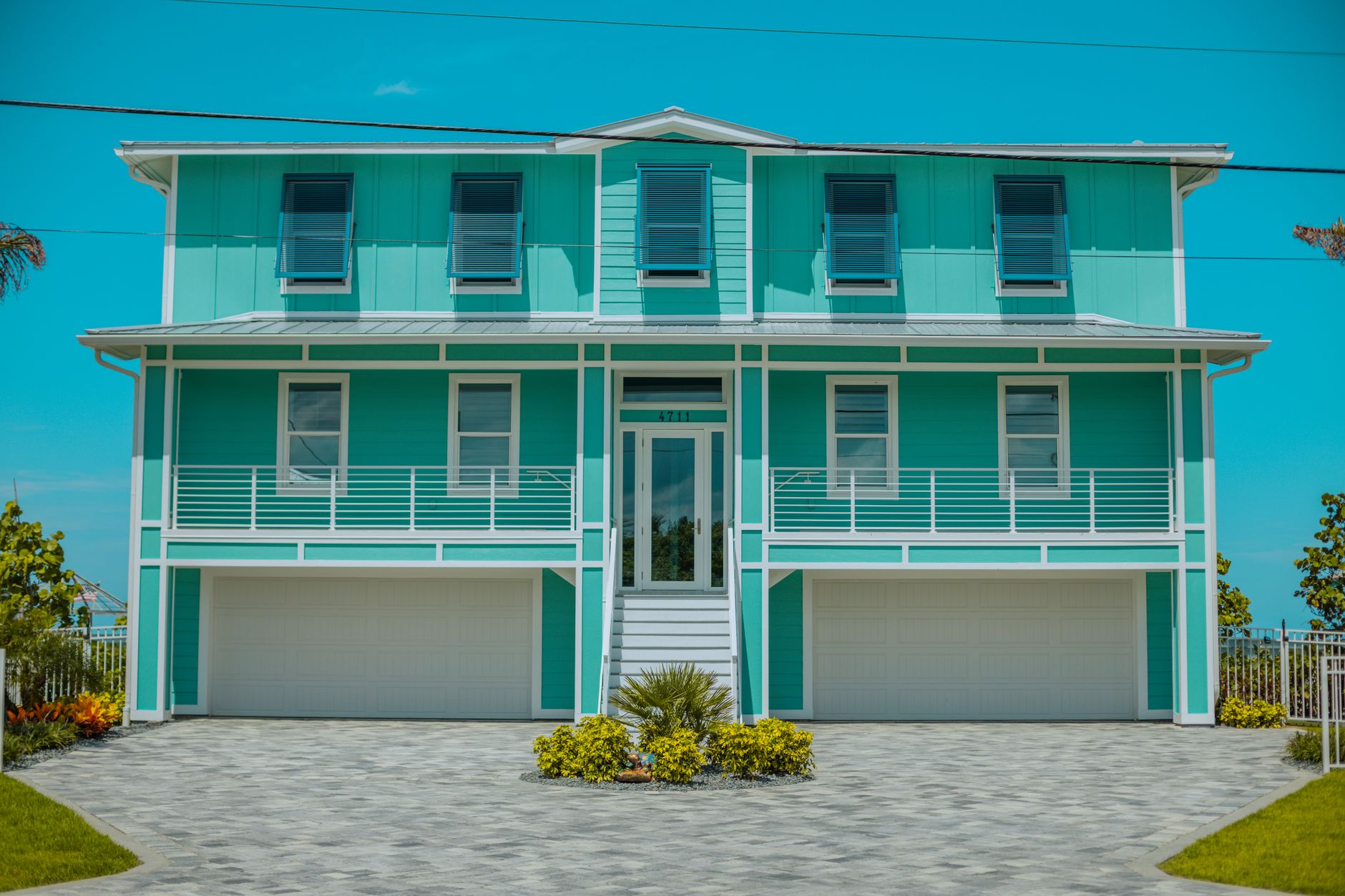
A home built two or three feet above BFE can carry a meaningfully lower premium than an identical home built at or below BFE. On older canal-front homes — especially those built before elevation requirements tightened in local building codes — that difference can be the gap between an insurance bill that fits comfortably into a monthly budget and one that changes the math on whether the purchase makes sense at all.
This is why two homes that look nearly identical from the street, on the same canal, a few lots apart, can carry very different total costs of ownership. The finished floor height is doing quiet work in the background that a walkthrough won’t reveal.
Reading the Document Without Guessing
Buyers don’t need to become surveyors to use an EC well, but a few sections are worth understanding before an agent or lender walks you through the full form:
Flood zone designation. This should match what the county’s flood map shows for the parcel. If it doesn’t, that discrepancy needs an explanation before moving forward.
Base Flood Elevation. The number FEMA has assigned to that location, typically expressed in feet relative to a fixed vertical datum.
Lowest floor elevation. The elevation of the home’s actual lowest floor — this is what gets compared against BFE.
The difference between the two. This is the number that drives premium calculations. Positive numbers (home above BFE) generally help; negative numbers (home below BFE) generally hurt, sometimes significantly.
Photos and diagrams. Most ECs include photos of the structure and a building diagram number that classifies the type of foundation — slab on grade, elevated on pilings, crawlspace, and so on. Foundation type interacts with elevation to affect how an insurer prices the risk.
When to Request One
If a listing doesn’t already include a current elevation certificate, it’s worth asking the listing agent whether one exists before writing an offer — many owners who’ve maintained flood coverage over the years already have one on file, since it’s often required to get preferred pricing. If none exists, ordering a new EC during the inspection period, alongside the home inspection and survey, gives a buyer real numbers to take to an insurance agent before closing rather than after.
This is especially worth doing on older homes near canals in Port Charlotte, Punta Gorda, Englewood, and similar established waterfront neighborhoods, where construction predates more recent elevation standards. Newer builds, particularly in areas with updated post-storm building codes, are more likely to already sit comfortably above BFE — but “likely” isn’t a number, and a buyer shouldn’t budget off an assumption.
The Cost of Skipping This Step
The scenario that catches buyers off guard isn’t usually a home that’s uninsurable — it’s a home that’s insurable, but at a premium far above what was assumed during the offer stage. A buyer who builds their monthly budget around a rough estimate, then gets an actual quote back after closing that’s double or triple that estimate, is stuck with a decision that’s already final. Ordering the elevation certificate and getting an actual insurance quote during the due diligence period — while there’s still room to negotiate, adjust the offer, or walk away — is the only way to avoid that outcome.
It’s also worth remembering that flood insurance requirements and pricing tied to elevation aren’t static. FEMA has been updating its risk rating methodology in recent years, moving toward a system that weighs more variables than elevation alone, including distance to water and rebuild cost. Elevation remains a central factor, but it’s one part of a broader picture that a licensed insurance agent, not a real estate agent, is best positioned to walk a buyer through in detail.
A Practical Checklist for Waterfront Buyers
Before waiving a contingency or finalizing financing on a Gulf Coast waterfront home, it’s worth confirming:
- Whether a current elevation certificate exists for the property, and if not, ordering one
- The property’s flood zone designation and how it compares to the BFE
- The lowest floor elevation relative to that BFE
- An actual flood insurance quote based on that EC, not an estimate based on the neighborhood average
- Whether the foundation type shown on the EC matches what was expected walking through the home
None of this replaces a conversation with a licensed insurance agent, who can run the actual numbers against current FEMA rating rules. But walking into that conversation with an elevation certificate in hand, rather than starting the process after closing, puts a buyer in a far stronger position to make an informed decision about a waterfront purchase along the Gulf Coast.
If you’re evaluating waterfront property in Southwest Florida and want a clear-eyed conversation about what a specific home’s elevation and flood zone mean for your situation, that’s exactly the kind of detail worth working through together before you write an offer.
Sabatino can answer it in five minutes — no pressure, no listing-agent spin.

Realtor®, License SL3363040
25-year builder, developer, and licensed Realtor® representing buyers and sellers across the Southwest Florida Gulf-coast pockets. Reviewed and published August 6, 2026.
Have Sabatino represent you — before you call any listing agent.