Pool Cage vs. Open-Air Lanai: What Waterfront Buyers Should Weigh
Walk enough waterfront listings on this coast and a pattern shows up fast: about half the pools sit under a screened cage, and the rest sit open to the sky under a covered lanai, a pergola, or nothing at all. Buyers touring both often assume it’s a style preference, like picking a paint color. It isn’t. The choice between a screened enclosure and an open-air outdoor living space carries real differences in cost, maintenance, insurance exposure, and what a future buyer will pay for the house. Neither option is universally correct — but neither is a coin flip either.
I’m Sabatino Campilii. I sell waterfront and near-waterfront homes across Charlotte Harbor, Punta Gorda, Port Charlotte, and the surrounding Gulf Coast communities, where an outdoor living space carries as much weight in a buyer’s decision as the kitchen does. Here’s how I walk buyers through this specific choice.
What Each Option Actually Is
A pool cage, sometimes called a screen enclosure, is an aluminum-framed structure with screen panels that fully encloses the pool deck, typically tied into the roofline of the house or freestanding over the patio. It keeps out leaves, insects, tree debris, and most wind-driven rain, while still letting in light and breeze.
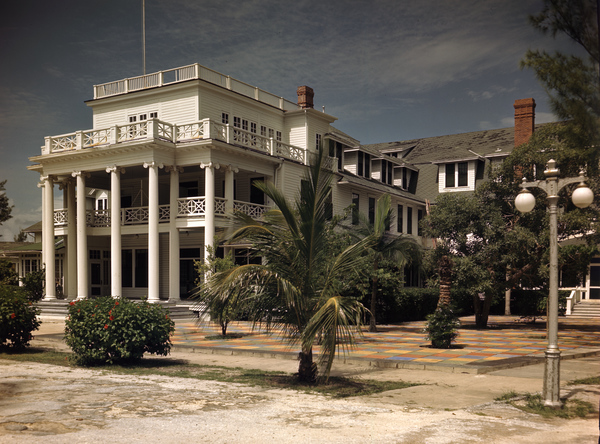
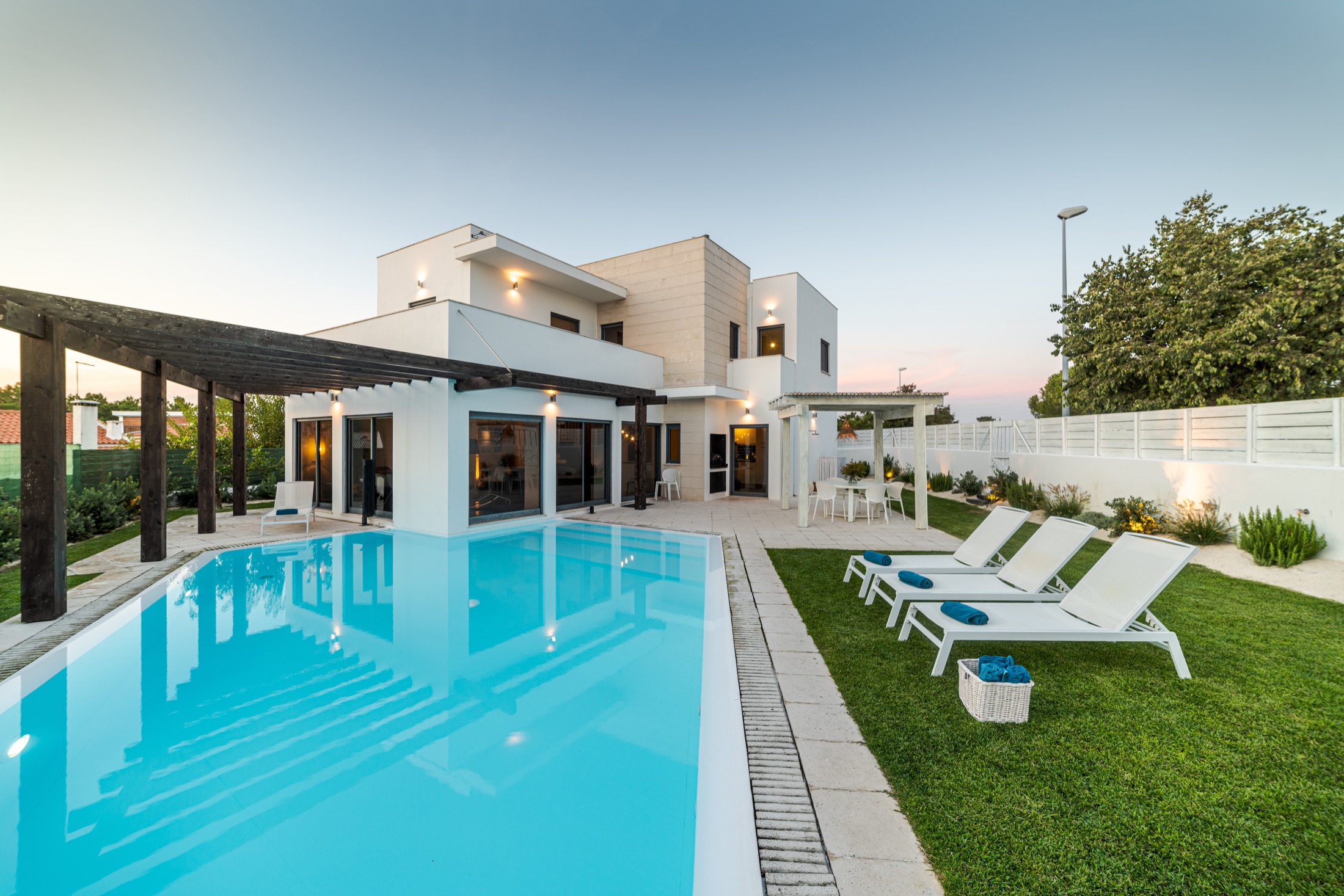
An open-air lanai is a covered or partially covered patio with no screen — just roof, posts, and open sides, sometimes with a pergola instead of a solid roof. Some homes go further and have no permanent shade structure over the pool deck at all, just landscaping and furniture.
Both show up constantly on this coast, and both have committed advocates among owners. The right one for a given buyer usually comes down to priorities that are worth naming explicitly rather than assuming.
The Case for a Screened Cage
Bug and debris control. Southwest Florida’s warm, humid climate supports a heavy insect population most of the year, and waterfront lots often sit near mangroves, canals, or preserve land where that pressure is higher, not lower. A cage keeps the pool deck usable at dusk, when open-air patios often empty out.
Leaf and debris load in the pool. Homes with mature oaks, palms, or nearby canopy shed constantly. A screen keeps most of that out of the water, which reduces filter and skimmer maintenance and keeps the pool cleaner between service visits.
A layer of storm debris protection. A cage is not a hurricane shelter and the screen itself will not survive a direct, severe hit — panels blow out routinely in strong storms, and owners budget for re-screening as a normal maintenance item. But the aluminum frame, when properly engineered and rated, does add a layer between the pool deck and wind-borne debris in lesser storms that would otherwise scour an open patio.
Reduced pool chemical and heat loss. A screened enclosure moderates evaporation and can reduce how hard a pool heater has to work compared with a fully open deck, which matters to owners who use their pool through cooler months.
The Case for Open-Air
Unobstructed water views. This is the argument that decides it for a lot of waterfront buyers, and it’s a legitimate one. A cage’s structural framing and screen mesh sit between the eye and the canal or open water, even when the screen itself is nearly invisible from a distance. An open lanai has nothing between the lounge chair and the horizon. On a premium waterfront lot bought specifically for the view, that difference matters to a lot of buyers more than bug control does.
Lower long-term maintenance. No screen to replace after storms, no frame corrosion in salt air to monitor as closely, no re-screening bill every several years. An open structure with a solid roof is generally the lower-maintenance long-term choice, even though the upfront build cost of a substantial covered lanai is not necessarily cheaper than a cage.
Cleaner sightlines from indoors. Homes built with disappearing sliders or large window walls facing the water are often designed by the builder to be photographed and lived in without a cage in the frame. Retrofitting a cage onto a home designed this way can look like an afterthought, where an open patio reads as intentional.
No cage to survive a storm. This sounds counterintuitive, but some owners in the most wind-exposed, most direct waterfront locations prefer having nothing overhead that can become airborne debris in a severe event. It’s a minority position, but not an irrational one on an exposed point lot.
Insurance and Permitting Realities
Screen enclosures are permitted structures in Florida and must meet wind load requirements tied to the property’s wind zone, similar in spirit to the wind mitigation standards applied to the house itself. A cage built or re-permitted to current code, with documentation, is a different insurance conversation than one that predates current wind standards or was built without permits.
Ask specifically, for any home with an existing cage:
- Was it permitted, and does the seller have the permit and final inspection on file?
- What wind rating was it engineered to, and is that documented?
- Has it been re-screened, and when?
- Is there any visible corrosion at the frame’s base plates or fasteners, especially on homes with direct salt exposure?
An unpermitted cage is not automatically a dealbreaker, but it is a fact that belongs in a buyer’s negotiation and in a conversation with the insurance carrier before closing, not after.
For open lanais, the equivalent diligence is on the roof structure itself if it’s covered — permit history, and whether it’s tied into the main roof’s wind rating or built as a separate structure with its own.
Cost to Add or Remove One
Buyers sometimes look at a home with the “wrong” configuration and assume they’ll just change it after closing. That’s a reasonable plan in many cases, but it should be priced before the offer, not after.
Adding a cage to an open patio means a new permitted structure — engineering, permitting, footings if required, and the aluminum and screen build itself. Removing an existing cage means demolition, hauling, and finishing whatever the deck surface needs once the framing is gone. Both are real line items, not weekend projects, and both are worth a contractor’s actual quote for the specific home rather than a guess, since footprint, height, and local permitting requirements swing the number significantly.
What It Does to Resale
Buyer preference for cage versus open-air varies by micro-market on this coast more than people expect. In neighborhoods with heavy tree canopy and a lot of standing water nearby, screened pools tend to show and sell better — buyers there associate open pools with maintenance headaches. On premium open-water and canal lots bought primarily for the view, the open-air lanai often photographs and sells better, because the marketing point of the house is the water, not the pool deck.
The practical takeaway: match the configuration to the lot, not to a personal preference in isolation. A screened cage on a heavily wooded canal lot is usually the safer resale bet. An open lanai on a wide-water point lot with a marquee view is usually the better one. Homes that get this wrong — an open pool tucked under dense oak canopy, or a cage obstructing a home’s best water view — tend to sit longer and draw more “what would it cost to change this” questions from buyers touring in person.
Questions to Ask Before You Write an Offer
- Is the existing cage or lanai permitted, and can the seller produce that documentation?
- What is the wind rating on the cage, and when was it last re-screened?
- Does the current configuration match what the lot itself is best suited for — heavy canopy versus open water view?
- Has the insurance carrier been told about the structure, and does that affect the quote?
- If you’d want to change the configuration after closing, what does a licensed contractor actually quote for that work at this address?
None of these questions should change whether you want the house. They should change how you negotiate it, and whether you walk in with a realistic budget for the outdoor space you actually want to live with.
Frequently Asked Questions
Does a pool cage add value to a Florida home? It depends on the lot and the local buyer pool. In canopy-heavy, bug-pressure areas it generally helps marketability. On premium open-water lots, an obstructed view can work against the sale even when the cage itself is in excellent condition.
Do pool cages need to be replaced after every hurricane? Not every storm, but screen panels are a known point of failure in strong wind and are treated as a normal maintenance and repair item by most long-term owners on this coast, separate from the aluminum frame itself.
Can you convert a screened cage to an open lanai, or the reverse? Yes, both directions are common permitted projects. Get a written quote from a licensed local contractor before assuming either conversion is simple or inexpensive — footprint, roof tie-in, and current permitting requirements all affect the price.
Sabatino can answer it in five minutes — no pressure, no listing-agent spin.

Realtor®, License SL3363040
25-year builder, developer, and licensed Realtor® representing buyers and sellers across the Southwest Florida Gulf-coast pockets. Reviewed and published August 8, 2026.
Have Sabatino represent you — before you call any listing agent.