Punta Gorda Historic Downtown Living
Most of Southwest Florida was laid out by developers selling a lifestyle to people who had not yet arrived. Punta Gorda’s downtown was laid out as a town — a railroad terminus on the south shore of Charlotte Harbor, platted in a grid, built around a working waterfront. That origin is still legible in the street pattern, and it produces something the region does not have much of: a small, genuinely walkable historic core with the harbor at the end of it.
Buyers who want a boat and a lanai have plenty of choices here. Buyers who want to walk to dinner have very few. Downtown Punta Gorda is the strongest of them, and it comes with a specific set of trade-offs worth understanding before you fall for a porch.
The Downtown Punta Gorda Grid
The historic core is a compact rectangle of numbered and named streets between the harbor front and US 41, which runs through town as a one-way pair carrying traffic to and from the Peace River bridges. Blocks are short. Sidewalks are continuous. Mature live oaks and palms shade most of the residential streets, and the scale is low — one- and two-story houses, with the taller buildings concentrated along the commercial spine.
The city has invested consistently in that walkability: on-street parking, crosswalks, street trees, and a network of bike lanes and paths that connect the residential grid to the waterfront and the parks. The result is a downtown where a resident can plausibly do a weekday on foot, which in this region is genuinely unusual.
Historic Home Character and Renovations
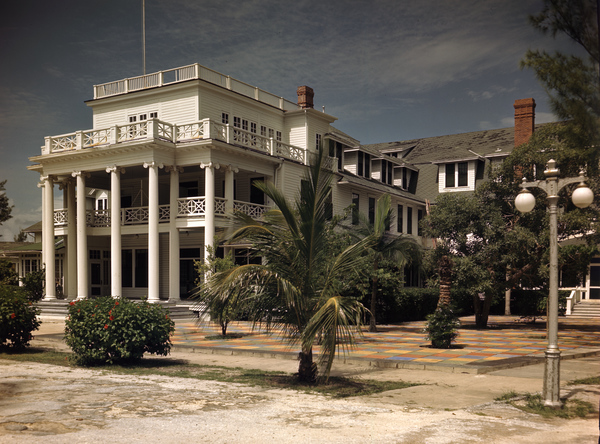
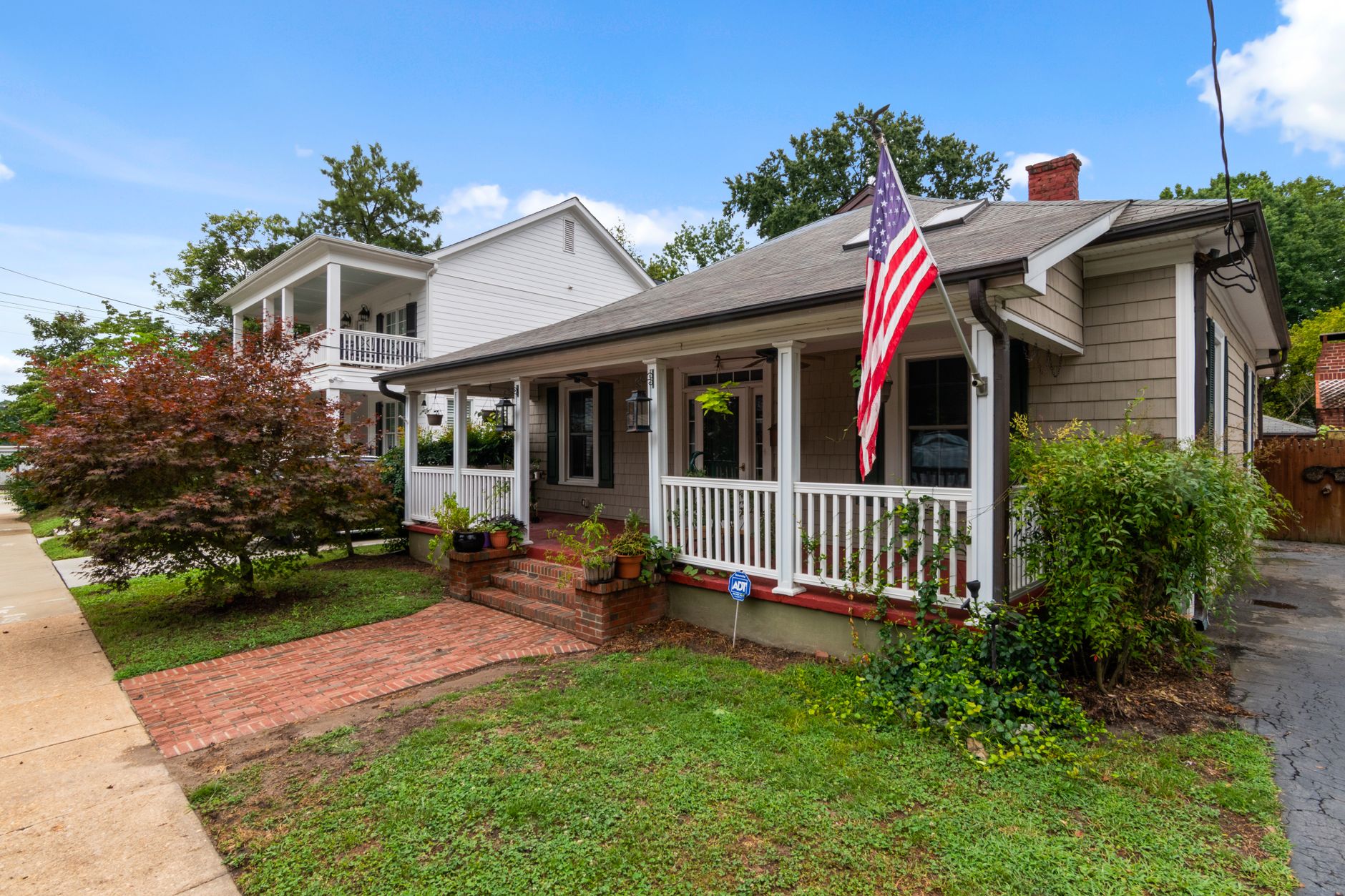
The housing stock downtown is mixed by design and by history. Punta Gorda has designated historic districts and a stock of frame vernacular, bungalow and revival-style homes, interspersed with mid-century houses and with newer construction on infill lots.
Two events shape what you will actually find. Hurricane Charley came ashore near Punta Gorda in 2004 and did severe damage to the downtown, and the rebuild that followed replaced or substantially reconstructed a great deal of what stood. Hurricane Ian’s 2022 landfall in the region produced another round of repair, replacement and hardening. The practical consequence is that a house presenting as historic may have a modern roof, modern windows and a substantially rebuilt structure behind an older facade — sometimes an advantage, sometimes a question, always something to document rather than assume.
Where a property sits inside a designated historic district, exterior alterations can be subject to local review. If you intend to change windows, roofing material, porches or the street-facing elevation, confirm the property’s designation status and the applicable review process with the City of Punta Gorda before you plan the work, not after.
Harborwalk and Waterfront Public Space
The downtown’s public waterfront is the reason the neighborhood works. The Harborwalk path runs along the harbor edge, connecting Gilchrist Park, the seawall promenade and the area around Fishermen’s Village, the converted waterfront marina and shopping complex at the western end. Ponce de Leon Park sits further west with a boat ramp, shoreline access and the Peace River Wildlife Center.
That continuous public edge does two things for a buyer. It means harbor access does not require harbor frontage — you can live four blocks inland and still be on the water in ten minutes on foot. And it means the neighborhood has a genuine common ground, which is a large part of why downtown feels like a community rather than a collection of houses.
Boaters should note that living downtown is not the same as having a dock. Most of the historic grid is not canal-front; the canal inventory sits in Punta Gorda Isles to the west, covered in our Punta Gorda Isles canal homes guide. Downtown owners who boat typically keep a vessel at a marina slip or trailer it, which is a real cost and a real convenience trade to price in.
Dining, Markets and Everyday Walkability
The commercial core carries a concentration of independent restaurants, cafes, a weekly outdoor farmers market, the Military Heritage Museum, the History Park and a calendar of downtown events that runs heavily in the cooler months. Fishermen’s Village adds waterfront dining, shops and a marina at the edge of the grid.
Walkability here is real but it is not urban-dense. You can walk to dinner, to coffee, to the market and to the water. You will still drive for a full grocery run, for big-box retail and for most medical appointments, though the region’s hospital and medical offices are close by rather than distant. Setting that expectation correctly matters: this is a walkable small town, not a city neighborhood.
Parking, Lot Sizes and Older Infrastructure
The grid’s age shows up in the details. Lots are generally modest by Southwest Florida standards, and many downtown houses were built before two-car garages were standard, so off-street parking can be a single drive, a carport, or an alley-accessed pad. Households with three vehicles and a boat trailer should look hard at this before falling for a floor plan.
Older infrastructure raises its own checklist. Ask about the age and material of the water and sewer service to the house, and whether the property is on city sewer. Ask about the electrical service size and whether the panel and wiring have been updated — insurers care about this. Ask about the roof’s age and documentation, which drives both premium and insurability. Ask about the plumbing supply material. And look up: mature canopy trees are an asset and a maintenance obligation, particularly where limbs overhang a roof.
Flood exposure is a downtown-specific question because of proximity to the harbor. Do not generalize from the neighborhood — pull the specific parcel on FEMA’s flood map service, ask whether an elevation certificate exists, and get a flood insurance quote before your inspection period expires rather than after.
Due Diligence for Older Downtown Homes
For a downtown purchase I would treat the following as non-optional. Pull the full permit history from the City of Punta Gorda building department and confirm that major work — roof, windows, electrical, structural repair after either storm — was permitted and finaled. Order a wind mitigation inspection and a four-point inspection early, because their results change what insurance costs and occasionally whether a carrier will write it at all. Get the survey and read the setbacks, easements and any encroachments, which are more common on older platted lots than on modern subdivisions.
Confirm the historic designation status in writing if the exterior matters to your plans. And if you are buying a house that was substantially rebuilt, ask the seller for the documentation package from that rebuild — plans, permits, receipts, warranties. Sellers who have it are usually happy to hand it over, and it is worth more at resale than most owners realize.
Is Downtown the Right Fit
Downtown Punta Gorda suits a specific buyer very well: someone who values walking over square footage, who wants the harbor as a daily presence rather than a private backyard, who likes older houses and understands what maintaining one costs, and who is comfortable trading a private dock for a marina slip. It suits a large-lot, three-car-garage, boat-behind-the-house buyer poorly, and those buyers are better served a few miles west.
If you want to walk the grid with someone who knows which blocks flood, which houses were rebuilt and which lots have real parking, reach out to Sabatino Campilii. An hour on foot downtown answers more questions than a week of listing photos.
Sabatino can answer it in five minutes — no pressure, no listing-agent spin.

Realtor®, License SL3363040
25-year builder, developer, and licensed Realtor® representing buyers and sellers across the Southwest Florida Gulf-coast pockets. Reviewed and published June 21, 2026.
Have Sabatino represent you — before you call any listing agent.