The short answer
- —Boca Grande and Sanibel are both tolled barrier islands, but they solve for different things: Boca Grande is a low-density, village-scale retreat at the south end of Gasparilla Island; Sanibel is a larger, conservation-first island with a much wider range of housing. Both villages sit in Lee County — Gasparilla Island's north end is in Charlotte County.
- —The single biggest structural difference is the rental rulebook. The City of Sanibel runs a Dwelling Rental License program built around a 28-consecutive-day minimum for most residentially zoned homes — verify current code before underwriting any income.
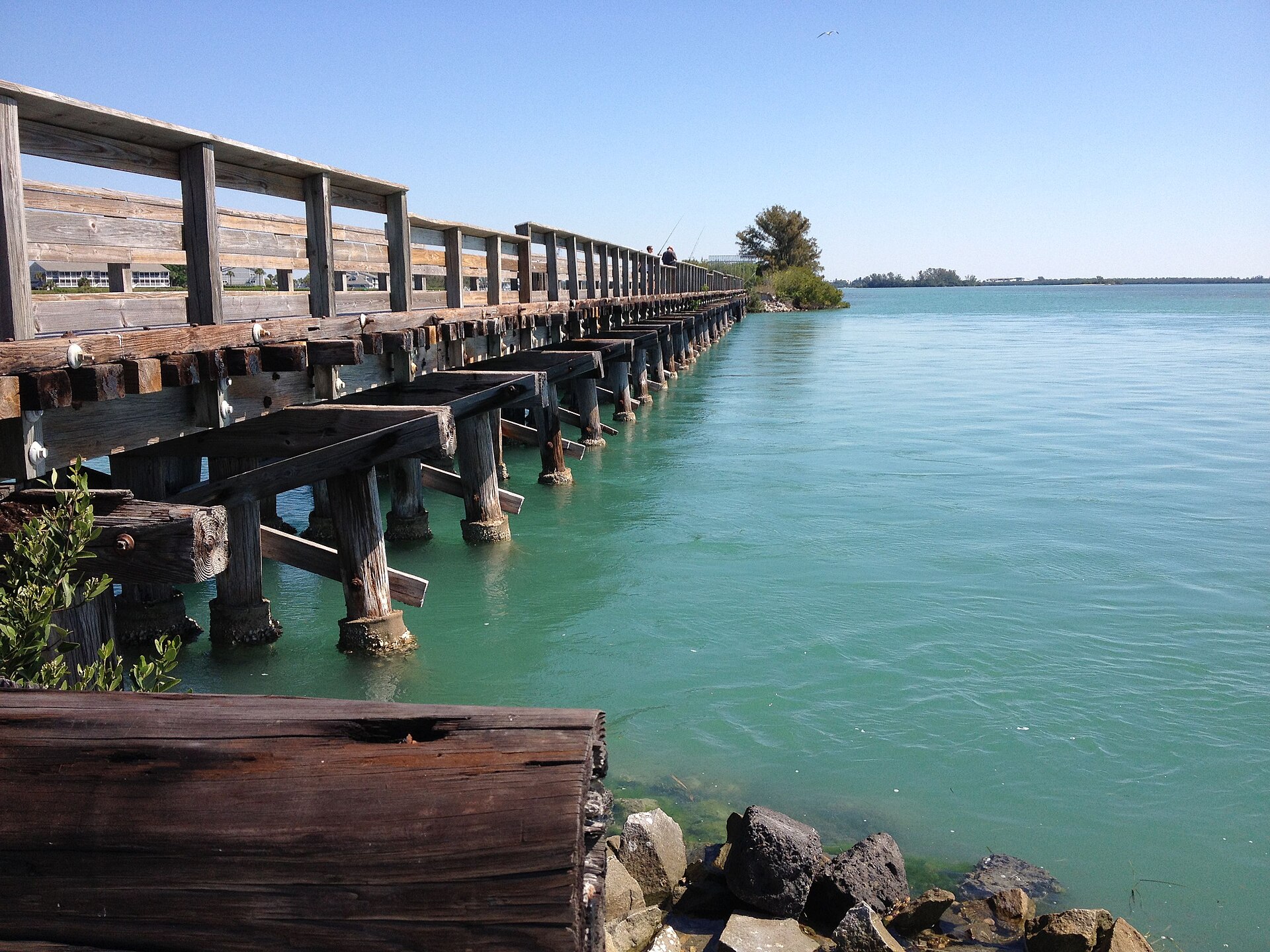
- —Both islands are reached only by a tolled causeway. Gasparilla Island's toll is set by the Gasparilla Island Bridge Authority; the Sanibel Causeway toll is set by Lee County and is all-electronic.
- —Sanibel generally offers more entry points and more inventory; Boca Grande is supply-constrained by design. Neither claim should be taken on faith — ask for current Stellar MLS comps for the exact segment you're shopping.
- —Both are low-lying and surge-exposed. Flood zone, elevation certificate, and a real bindable insurance quote matter more than any lifestyle argument.
Buyers who fall for one Gulf-coast barrier island almost always end up comparing it to the other. Boca Grande vs Sanibel Island is the pairing that comes up most often once someone has decided they want an island rather than the mainland — and the honest answer is that the two are less alike than a map suggests.
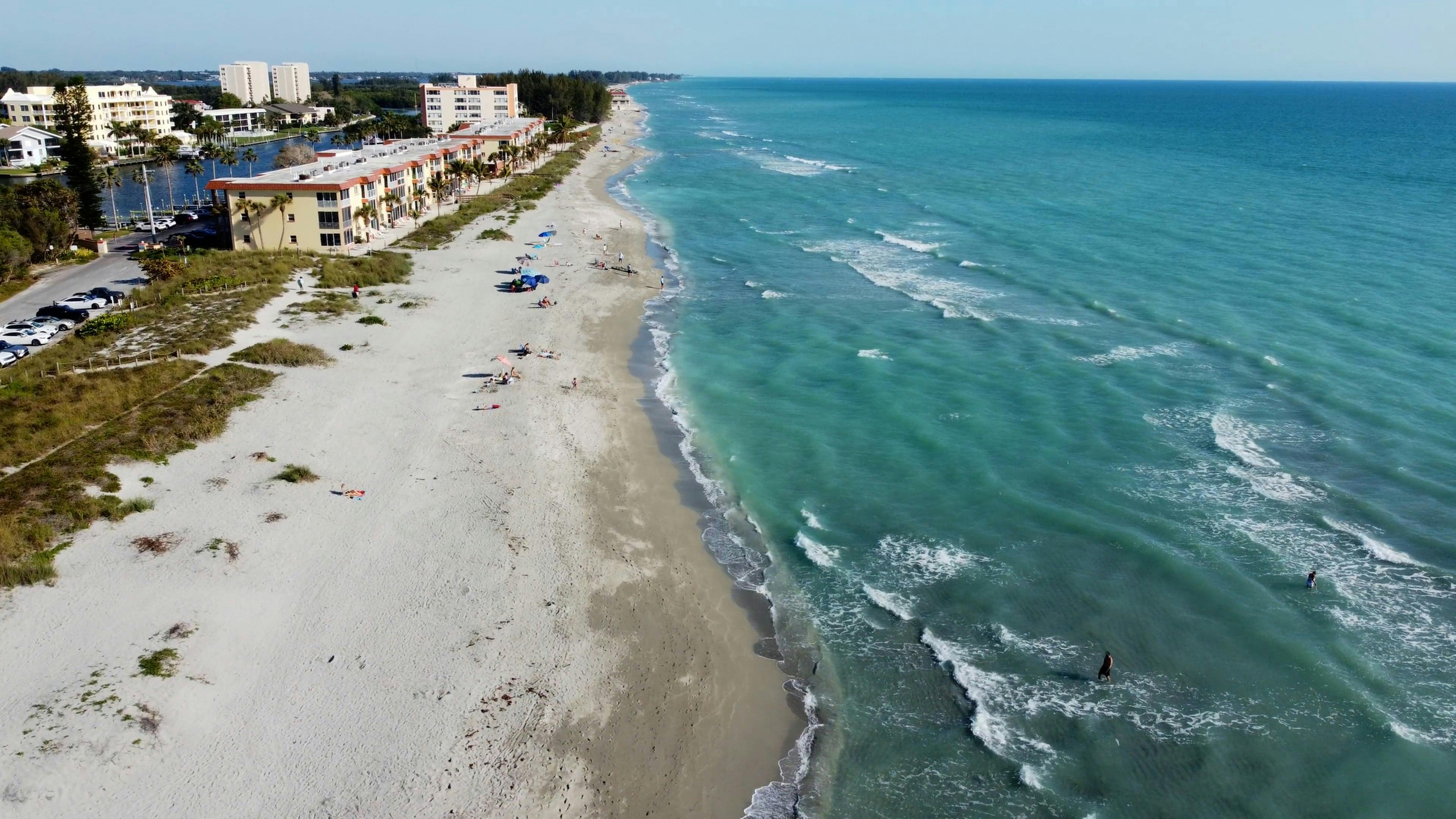
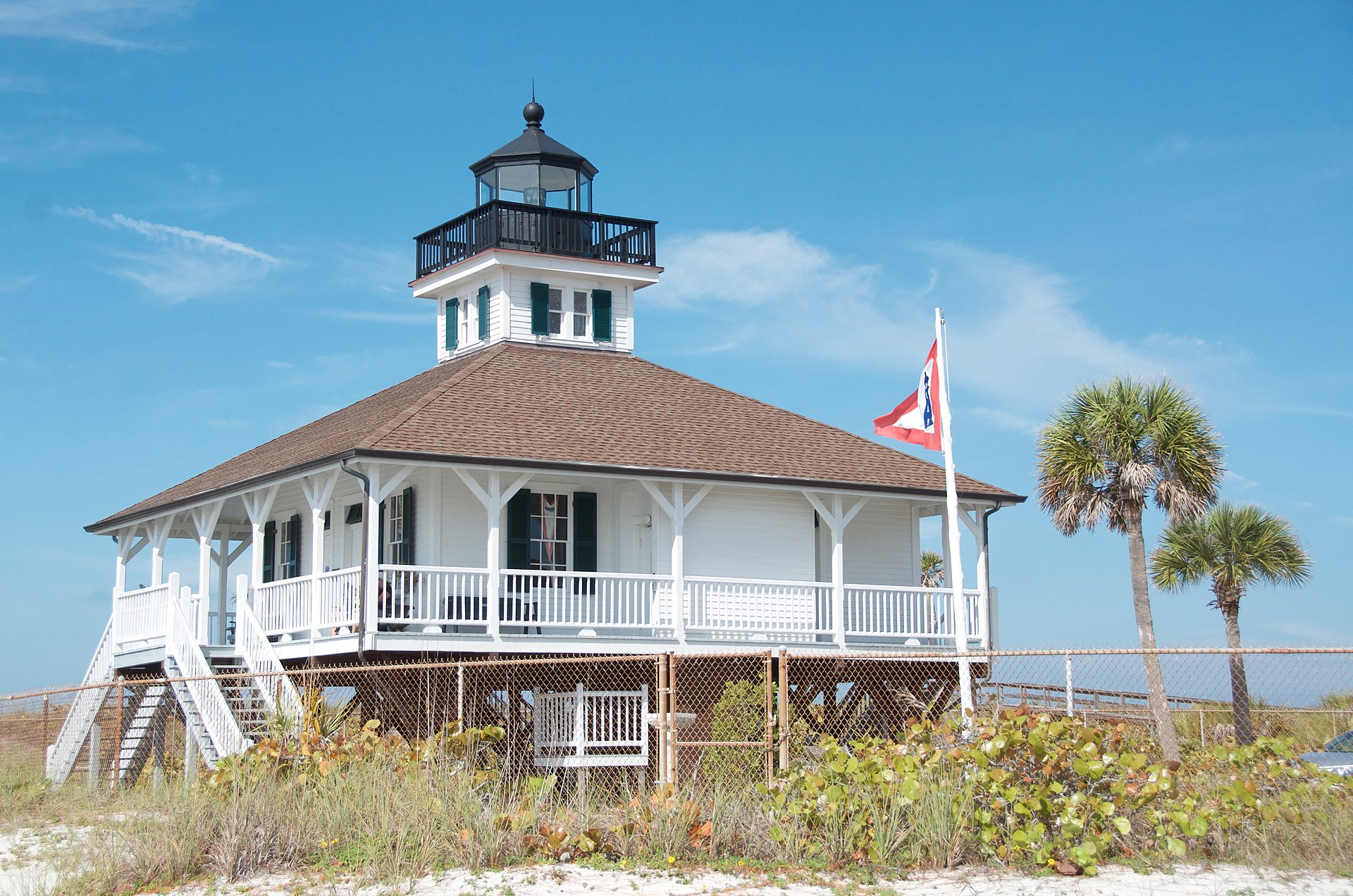
Boca Grande sits at the southern end of Gasparilla Island — the village itself is in Lee County, while the island’s north end falls in Charlotte County — reached by a single toll causeway from Placida. Sanibel is a much larger island, also in Lee County, reached by the Sanibel Causeway from Fort Myers, and it is governed by its own city with one of the most restrictive residential rental codes in coastal Florida.
That last point — the rulebook, not the beach — is what usually decides this comparison. This guide walks through price structure, access and tolls, rental rules, conservation, boating, and storm exposure, with sources you can check yourself.
The two islands at a glance
| Factor | Boca Grande (Gasparilla Island) | Sanibel Island |
|---|---|---|
| County | Lee (village); Gasparilla Island’s north end is in Charlotte | Lee |
| Governance | Unincorporated Lee County; the county line crosses the island toward its north end | Incorporated City of Sanibel |
| Access | Boca Grande Causeway from Placida, tolled by GIBA | Sanibel Causeway from Fort Myers, tolled by Lee County |
| Housing mix | Village-scale; cottages to Gulf-front estates, very limited supply | Wide mix: condominiums, canal homes, cottages, Gulf-front |
| Short-term rental | Quieter, seasonal and owner-use lean; verify locally | 28-consecutive-day minimum standard under city code |
| Character | Low-density, golf carts, tarpon, old-Florida quiet | Conservation-first, bike paths, wildlife refuge, larger scale |
| Typical entry point | Generally higher | Generally wider range |
Access and tolls: the part nobody prices in
Both islands are, functionally, gated by water. That is a lifestyle feature and a real recurring cost, and it is the one variable in this comparison you can look up to the penny.
The Gasparilla Island Bridge Authority publishes its toll schedule directly. As published on GIBA’s toll rate sheet, cars, pickup trucks and motorcycles pay a $6.00 cash or non-frequent-user card holder rate, with a $3.90 frequent-user card holder rate, a frequent-user card purchase minimum of $97.50, a non-frequent-user card purchase minimum of $60.00, and an annual pass at $780.00. Trucks, buses, commercial vehicles and trailers are billed at $5.50 per axle, and bicycles at $3.00. GIBA also states on its about page that it receives no federal, state or county tax funding and operates on toll and user-fee revenue.
On the Sanibel side, Lee County publishes its own schedule. Per the county’s LeeWay tolls page, the Sanibel Toll Plaza charges $6.00 for two axles using a transponder and prepaid account, or $6.00 plus a $3 administrative fee using pay-by-plate, scaling to $9.00 for three axles, $12.00 for four and $15.00 for five, with $3.00 for each additional axle. Lee County converted to all-electronic tolling on October 1, 2021, so there is no cash lane — which matters if you plan to have contractors, cleaners, or family crossing regularly.
Rates are set by those authorities and can change. Both pages above are the primary sources; check them before you build a carrying-cost model. If you want the fuller picture of what island access costs and how it shapes daily life on Gasparilla, we go deep on it in the Boca Grande causeway and island access guide.
Rental rules: the decisive difference
If you are buying to use the home yourself, skip ahead. If any part of your math depends on rental income, this section is the whole comparison.
Sanibel regulates residential rental duration directly. The City of Sanibel operates a Dwelling Rental License (DRL) program, and the operative standard for most residentially zoned dwellings is a minimum rental period of four consecutive weeks. The city’s own Dwelling Rental License Program update presented to City Council (Community Services, February 4, 2021) describes the program in detail — roughly 2,011 rental properties identified as eligible for the DRL program at the time, a licensing requirement, third-party monitoring for compliance, and explicit tracking of “rental properties that are renting less than 28 consecutive days.” That is an enforcement posture, not a suggestion.
A limited set of properties in resort, lodging or historically operated vacation-rental areas can sit outside the residential standard. Do not assume a given address is one of them. The current code text lives in the City of Sanibel Code of Ordinances — read the chapter that applies to the parcel, and get the city’s confirmation in writing.
Boca Grande’s constraint is cultural and contractual more than a single headline number. The island leans toward seasonal, longer-stay and owner-use patterns, and individual associations and neighborhoods impose their own terms. There is no substitute for reading the specific HOA or condominium documents and confirming county rules for the parcel.
The practical takeaway for a Boca Grande vs Sanibel Island decision: on Sanibel, the ceiling on rental frequency is set in public code you can read today. On Boca Grande, it is set document by document. Neither island is a nightly-rental market. Our overview of what a Gulf-coast luxury rental actually earns is the sober version of that math.
Price structure and where the entry points sit
Boca Grande is supply-constrained by design. The village footprint is small, lots are large, new supply is scarce, and the community has long pushed back on density. That combination — not a marketing story — is what supports pricing through cycles. We unpack it in the Boca Grande investment case.
Sanibel is a bigger island with a broader inventory: condominium communities, canal homes with bay and Gulf access, older cottages, and Gulf-front estates. More housing types generally means more entry points and more spread between the bottom and top of the market.
What we will not do here is publish an island-wide median and let you underwrite off it. Averages across a barrier island blend a $400,000 interior condominium with a $9 million Gulf-front estate and describe neither. If you want real numbers, ask for current Stellar MLS comparables filtered to your exact segment — property type, water access, elevation, and age of roof. That is the only comparison that survives contact with an appraiser.
Conservation, density and what can still be built
Sanibel’s identity is conservation-first. A large share of the island is held in conservation, anchored by the J.N. “Ding” Darling National Wildlife Refuge, which the U.S. Fish and Wildlife Service describes on its refuge page as part of the largest undeveloped mangrove ecosystem in the United States. For a buyer, protected land functions as a permanent cap on future supply — and as a permanent amenity.
Boca Grande arrives at low density by a different route: a small village, large private parcels, and community norms that have resisted added density for decades. The result looks similar from a buyer’s seat, but the mechanism is private and political rather than federal, which is worth understanding if you are holding for twenty years.
Boating and the water
Boca Grande’s reputation is built on Boca Grande Pass and the tarpon migration, with fast Gulf access and a deep local fishing culture. Deep-water dockage is a genuine differentiator on Gasparilla and the adjacent mainland; we cover what to check in the deep-water dock guide.
Sanibel offers bay-side canal access, marina options, and quick reach to Pine Island Sound and the Gulf. The two islands sit on different bodies of water with different bridge clearances and different runs to open water. If boating is the reason you are buying, measure the actual route from the dock you are considering — air draft, water depth at low tide, and time to the Gulf — rather than trusting a listing’s phrase like “quick Gulf access.”
Storms, elevation and the insurance reality
Both islands are low-lying and surge-exposed, and both have taken damage. There is no version of Gulf-coast barrier-island ownership without that risk. What you control is the structure and the paperwork.
Start with the flood map. FEMA’s Flood Map Service Center is the authoritative lookup for the effective flood zone at a given address. Because Gasparilla Island straddles a county line, use the emergency-management and floodplain resources of the county that actually governs the parcel — Lee County for the Boca Grande village end, and Charlotte County’s flood information resources for the mainland Placida and Cape Haze side of the causeway.
Then look at what actually moves a premium. Florida law requires insurers to notify applicants and policyholders of hurricane loss mitigation discounts using a form prescribed by the Office of Insurance Regulation — Florida Statutes § 627.711 sets that out, including notice at issuance and at each renewal of the availability and range of each discount, credit, rate differential or deductible reduction for construction techniques demonstrated to reduce windstorm loss. Citizens Property Insurance describes the same mechanism from the consumer side on its wind mitigation inspections page, listing the features that qualify: rated openings, shutters or panels, wind-rated roof coverings, roof-to-wall attachments, and roof geometry.
The practical sequence on either island is the same: pull the flood zone, read the elevation certificate, get a bindable quote from a licensed insurer with the wind mitigation form in hand, and only then decide what the house is worth to you. We go further into that in how new construction affects Florida insurance costs and new construction and hurricane code.
Which island should you choose?
- Choose Boca Grande if you want maximum privacy and village scale, world-class pass fishing, and a supply story driven by scarcity — and if you are buying primarily to use the home rather than rent it.
- Choose Sanibel if you want more housing choice and entry points, a conservation-anchored island, and easier reach from Fort Myers — and if a 28-day-minimum rental posture fits, or is irrelevant to, your plan.
If the honest answer is “I’m not sure I need an island at all,” price the island premium against the mainland before you commit. Boca Grande vs Englewood weighs the island against the beach town to its north, Cape Haze vs Boca Grande weighs it against the peninsula at the foot of its own causeway, and Boca Grande vs Anna Maria Island runs the island-to-island version of this same exercise. Buyers weighing the wider region should start with which Gulf-coast town fits your family.
Where OceanFL fits. OceanFL is buyer-side. Sabatino Campilii represents you — not the listing, not the developer — across Boca Grande, Cape Haze, Englewood and the wider Gulf coast. That means current Stellar MLS comps for your actual segment, rental rules verified in writing with the governing jurisdiction, and a representation arrangement you confirm before you ever tour. Start the conversation.
Sabatino can answer it in five minutes — no pressure, no listing-agent spin.

Realtor®, LoKation® Real Estate
25-year builder, developer, and licensed Realtor® representing buyers and sellers across the Southwest Florida Gulf-coast pockets. Reviewed and published August 2, 2026.
Frequently asked
Is Boca Grande or Sanibel Island more expensive? +
Boca Grande is generally the higher-priced of the two on a per-square-foot basis, driven by a physically small village, very limited new supply, and strong community pressure against density. Sanibel is a larger island with a wider spread of housing types — condominiums, older cottages, canal homes and Gulf-front estates — so entry points are typically lower even though top-tier Gulf-front on either island competes closely. Pricing moves with season and inventory, so ask for current Stellar MLS comps for the specific segment and street you're considering rather than relying on island-wide averages.
Can you rent a Sanibel home short-term? +
Not freely. The City of Sanibel operates a Dwelling Rental License program, and the standard for most residentially zoned dwellings is a minimum rental period of four consecutive weeks — 28 days. A limited number of properties in resort or historically operated lodging areas may have different standing. Because ordinances change and enforcement is active, confirm the current City of Sanibel code and licensing requirements in writing, for the specific parcel, before you count on any rental income.
How do you get to each island, and what does the toll cost? +
Gasparilla Island — and therefore Boca Grande — is reached by the Boca Grande Causeway from Placida, operated by the Gasparilla Island Bridge Authority, which publishes its own toll schedule and offers frequent-user cards and an annual pass. Sanibel is reached by the Sanibel Causeway from Fort Myers, tolled by Lee County, which converted to all-electronic tolling on October 1, 2021. Rates change; check both authorities' published schedules before budgeting.
Which island has more protected land? +
Sanibel is unusually conservation-heavy for a developed Florida barrier island, with a large share of the island held in conservation including the J.N. 'Ding' Darling National Wildlife Refuge. Boca Grande's low density comes less from federal refuge land and more from a small village footprint, large private lots, and long-standing community norms that resist added density. The practical effect for a buyer is similar — limited buildable supply — but the mechanism is different, and so is what could change over time.
Are both islands exposed to hurricanes and storm surge? +
Yes. Both are low-lying Gulf-coast barrier islands, and both have taken direct storm damage. The controllable variables are the structure and the paperwork: elevation, flood zone, roof age, opening protection, and whether a licensed insurer will actually bind coverage at a price you accept. Pull the flood map, read the elevation certificate, and get a real quote in hand before you remove your inspection contingency.
Have Sabatino represent you — before you call any listing agent.