Condo vs Single-Family on the Gulf Coast
Buyers usually frame this as a question about square footage and price. It is really a question about who does the work, who makes the decisions, and how much of the building’s future you are willing to share with a hundred other owners. Get that framing right and the choice becomes clear quickly. Get it wrong and you end up in a format that fights the way you actually live.
Both formats work well on this coast. They simply solve different problems.
The Core Trade-Off: Control vs Convenience
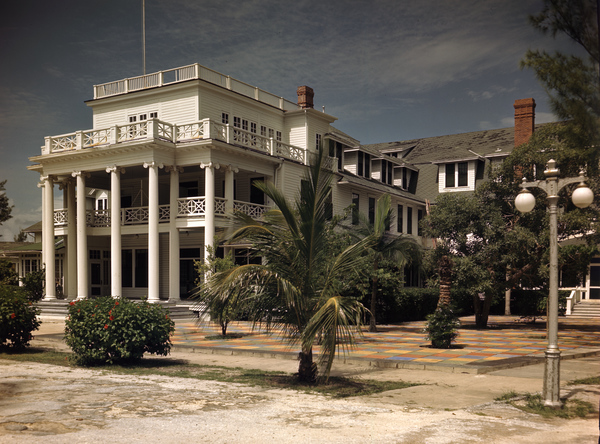
A single-family home gives you control. You decide when the roof gets replaced, what color the house is, whether a dock gets built, how the landscaping looks and who does the work. You also carry every one of those decisions, along with their cost and their timing, alone.
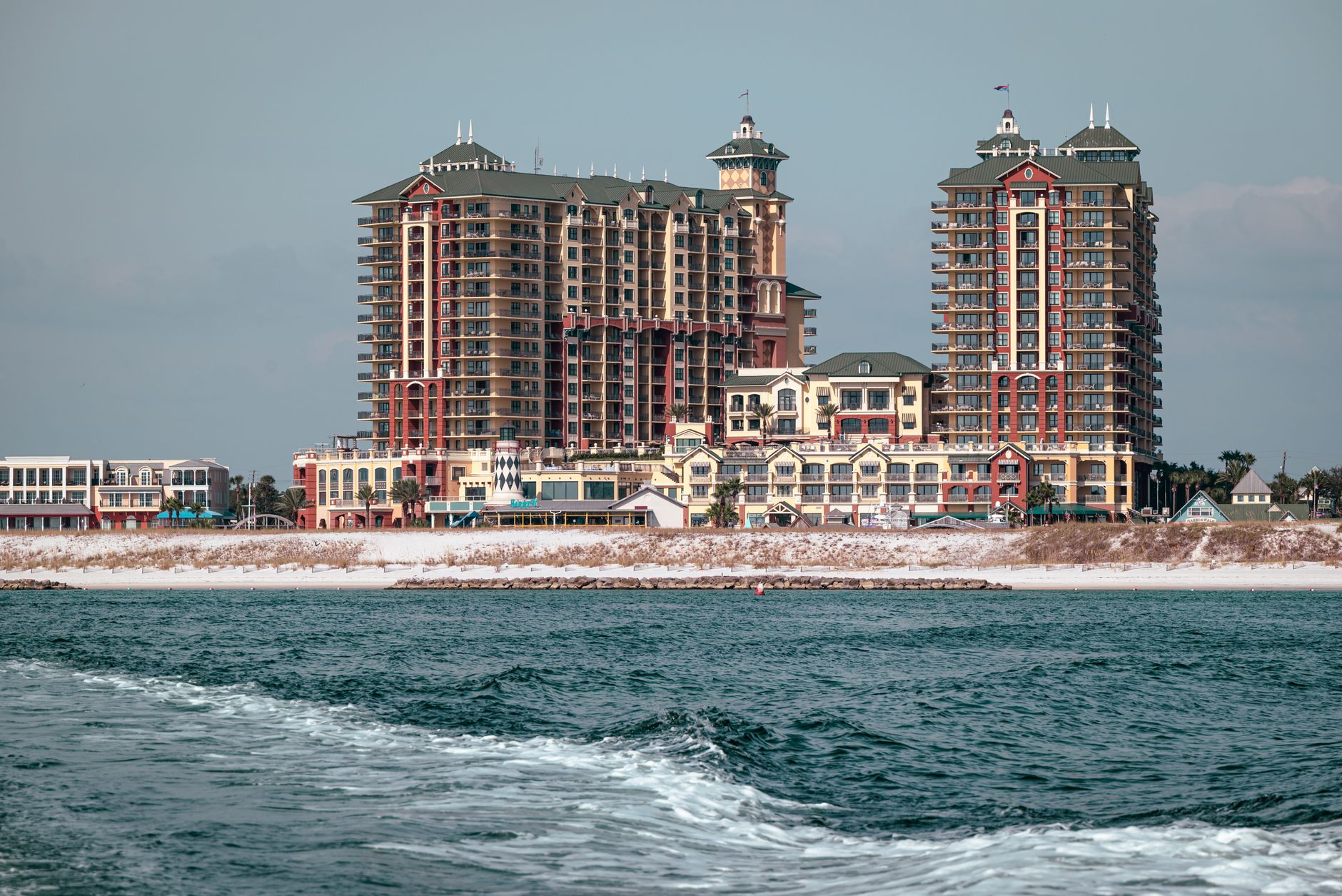
A condominium gives you convenience. You lock the door and leave, and the exterior, the roof, the grounds and typically the insurance on the structure are handled by an association. You also surrender the decisions. The roof gets replaced when the board says so and the assessment lands when it lands, whether or not the timing suits you.
For a seasonal owner, that convenience is worth a great deal. A condominium that is empty for eight months is a far lower-anxiety proposition than a house that is empty for eight months, because somebody is on site continuously and the exterior is not your problem. For a full-time resident with a boat, a truck and opinions about landscaping, the same structure feels like a constraint.
Exterior Maintenance and Who Handles It
In practice, the maintenance line falls somewhere different in every association, and reading where it falls is part of diligence. In most Florida condominiums the association maintains the common elements — roof, structure, exterior walls, grounds, shared systems — while the owner maintains everything inside the unit boundary as defined in the declaration. Limited common elements such as balconies, terraces and assigned parking sit in a middle category that the documents allocate explicitly.
The reason to read this carefully rather than assume it: balcony and window responsibility varies, and it is expensive. So does the treatment of air conditioning equipment, water heaters and plumbing within walls. The declaration answers all of it, and a two-hour read before closing prevents a decade of surprises.
For a single-family owner on the coast, the corresponding reality is that salt air accelerates everything. Fasteners, hinges, condenser coils, outdoor fixtures and exterior finishes all wear faster within sight of the water than they do inland, and the maintenance calendar has to reflect that. Our Boca Grande second home guide covers that routine in detail for absentee owners.
Association Structures and Governing Documents
Not every association is a condominium. Florida distinguishes between condominium associations, which own the common elements collectively and are governed under the state’s condominium act, and homeowners associations, which govern platted subdivisions where each owner holds a fee simple lot. Some communities have both, layered. The difference affects what you own, how assessments work and which body of law applies.
For any condominium, request and read the declaration of condominium, the articles and bylaws, the rules and regulations, the current budget, the most recent financial statements, the reserve schedule, recent board and membership meeting minutes, and the estoppel certificate. Minutes are the most underrated document in the stack — they tell you what the community argues about, what is deferred, and what is coming.
Florida has substantially tightened structural oversight of condominium buildings in recent years. Buildings at or above three stories are subject to milestone structural inspection requirements and to structural integrity reserve study requirements that constrain an association’s ability to waive reserves for structural components. Ask for the milestone inspection report and the reserve study, ask when each is next due, and ask what the board’s funding plan is for anything they identified. An association with a completed study and a funded plan is in a far better position than one that has not started.
Ask also about insurance: what the association’s master policy covers, what the deductible structure looks like for windstorm, and what you must carry separately. And ask directly about special assessments — any levied in the last five years, any currently contemplated, and any pending litigation.
Boat Slips, Storage and Parking
This is where the two formats diverge most sharply for Southwest Florida buyers.
A single-family canal home with a private dock gives you a boat in the backyard, on your schedule, with a lift you control. That is the region’s signature amenity and it is the reason a great deal of the housing stock exists. The counterpart obligations are dock and lift maintenance, seawall responsibility, and depth at the dock — the constraint covered in our piece on water depth at your dock.
Condominium boating comes in several forms and they are not equivalent. A deeded slip conveys with the unit and is a real property interest. An assigned slip is allocated by the association and may be reassigned. A waiting-list slip is a hope. Some communities have dry storage rather than water slips. Establish which one applies in writing before you assume a boat comes with the address, and confirm the slip’s depth and any length or beam limits.
Parking follows the same pattern. Condominium parking is often limited to one or two assigned spaces, with rules about trucks, trailers, boats and recreational vehicles. If you own a boat trailer, ask where it can legally live. In many coastal associations the answer is “somewhere else, at your expense.”
Privacy, Outdoor Space and Pets
A house gives you a yard, a pool you control, a grill wherever you want it and no shared walls. A condominium gives you a balcony, a shared pool, and rules about all of it. Neither is better; they suit different temperaments.
Pay attention to the rules that will actually touch your life. Pet restrictions by number, size and breed are common and are enforceable. Rental restrictions — minimum lease terms, caps on the number of leased units, approval requirements and waiting periods after purchase — matter enormously if you ever intend to rent, and they change over time by member vote. Grilling, hurricane shutter deployment, and even what you may place on a balcony are commonly regulated. Read the rules, not the brochure.
Documents to Review Before You Commit
For a condominium: declaration, bylaws, articles, rules, budget, financials, reserve study, milestone inspection report if applicable, two years of minutes, estoppel certificate, master insurance summary, and written answers on slips, parking, pets, rentals and pending assessments.
For a single-family purchase: survey, permit history from the building department, roof documentation and age, wind mitigation and four-point inspections, seawall condition report if there is a seawall, dock and lift permits, flood zone confirmation from FEMA’s flood map service, elevation certificate if one exists, and any homeowners association documents that apply to the subdivision.
Both lists are obtainable inside a normal inspection period if you start on day one.
Deciding Which Format Fits
Three questions settle it for most buyers. How many months a year will the property sit empty? If the answer is most of them, the condominium’s structure is doing real work for you. Do you own or intend to own a boat, and does it need to be behind the house rather than at a marina? If yes, single-family canal frontage is hard to substitute. And how much do you want to be governed? Some people find a well-run association a relief. Others find any board intolerable, and they should know that about themselves before closing.
Price per square foot is the last question, not the first. If you want to walk through the actual documents on a specific building — or the actual permit file on a specific house — reach out to Sabatino Campilii and we will read them together before you are committed.
Sabatino can answer it in five minutes — no pressure, no listing-agent spin.

Realtor®, License SL3363040
25-year builder, developer, and licensed Realtor® representing buyers and sellers across the Southwest Florida Gulf-coast pockets. Reviewed and published June 24, 2026.
Have Sabatino represent you — before you call any listing agent.