Selling a Waterfront Home: Preparation Checklist
Selling a waterfront home is not selling a house that happens to have water behind it. The water is the asset. Buyers who are paying a waterfront premium are buying access, view, and the infrastructure that makes both usable — and they will scrutinize all three far harder than they scrutinize your backsplash. Sellers should also walk through our hurricane readiness guide for coastal Florida homeowners before listing, since buyers increasingly ask about storm prep during showings.
Here is the preparation sequence I work through with waterfront sellers on the Gulf coast, in the order that actually matters.
Start With the Water View, Not the Kitchen
Most sellers begin with interior updates because that is what general selling advice tells them to do. On the water, the highest-return preparation is usually outside and free.
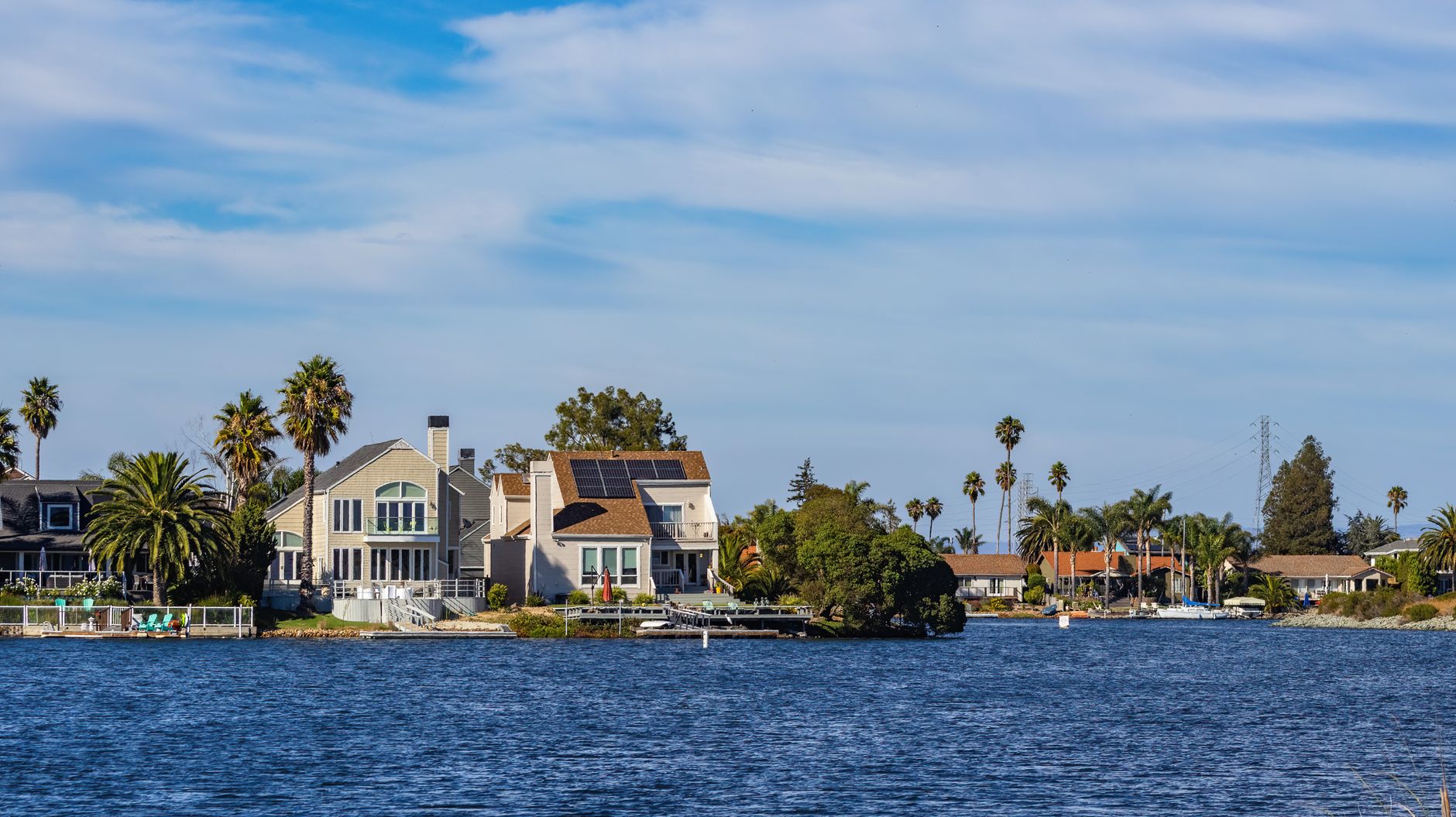
Walk your property from the water’s edge back toward the house, then from the main living space out toward the water, and be ruthless about what interrupts the sightline. Overgrown hedges along the seawall, a volunteer tree that has quietly taken over the left third of the view, a screen panel gone hazy, a lanai stacked with storage — each of these subtracts from the exact thing the buyer is paying for. Buyers touring the home will notice the outdoor living space first, so review our pool cage vs. open-air lanai on waterfront homes before deciding whether to repair or remove a damaged cage.
Trim to open the view, but do not scalp the property; buyers also want shade and privacy. Clean the pool cage screens and the glass on the water side until they disappear. Pressure wash the pool deck, the seawall cap, and the walkway to the dock. Remove anything on the waterside lawn that is not furniture, landscaping, or the dock itself.
Then set the outdoor living space as a room. Two chairs and a small table oriented toward the water tell a buyer how to use the space. An empty slab makes them work it out themselves, and most will not.
Dock, Lift and Seawall Presentation
The dock is the second showing. Treat it that way.
Clear the deck of hoses, buckets, bait freezers, dock boxes with broken lids, and anything with a faded tarp on it. Replace or reseat any loose, splintered, or visibly rotted boards — a single soft board makes every other board suspect. Tighten and clean the cleats. Coil lines. If you have a lift, run it for the photographer and for showings so buyers see it work; a lift that nobody can demonstrate reads as a lift that might not.
If the boat stays during the listing period, keep it clean, centered, and in a way that shows off the slip rather than hides it. If the boat is a mess, take it elsewhere. A cluttered vessel does more damage than an empty lift.
Seawall presentation matters even when the seawall is fine. Clean growth off the exposed face, clear the cap, and make sure the ground behind the wall is level, without the depressions or sinkholes that suggest fill loss. If your seawall genuinely has an issue, it is far better to disclose it, get a written estimate, and price it in than to let a buyer’s marine inspector discover it in week two of the contract and reopen the entire negotiation from a position of doubt.
Documents Buyers Will Ask For
Waterfront buyers and their agents ask for a specific package. Having it assembled before you list makes you look like a prepared seller and removes the delays that kill momentum.
Gather what applies to your property:
- Permits and approvals for the dock, lift, boat house, and seawall, along with any repair or replacement records. Dock and shoreline structures in Florida generally involve local and, depending on scope and location, state or federal review. Documented work reassures buyers; undocumented work invites questions.
- Seawall history: original construction date if known, any cap replacement, tie-back work, or panel repair, with invoices.
- Lift specifications — capacity rating, install date, cable and motor service history.
- Roof age and any wind mitigation inspection you already have.
- Insurance history for the property, and the current declarations page.
- Elevation certificate, if one exists for the home. Many buyers and insurers will want it; see our overview of flood zone research on the Gulf coast for how buyers use this document.
- Survey, ideally a recent one showing the shoreline, riparian boundaries, and any encroachments.
- HOA or association documents, plus any dock or slip assignment rules.
- Recent utility and maintenance records — pool service, HVAC, pest, irrigation.
Do not guess at any of it. If you do not have the document, say so plainly and point the buyer toward the county property appraiser, the permitting office, or the association rather than supplying a number from memory.
Pre-Listing Repairs Worth Doing
Not every repair earns its cost back. On waterfront homes, these usually do:
Anything that signals water intrusion. Stained ceilings, soft baseboards, a musty closet, a window that fogs. Coastal buyers are primed to look for moisture problems, and one visible sign makes them assume there are more.
Anything corroded on the water side. Rusted hinges, screws bleeding down stucco, a pitted railing, a corroded lanai fastener. Small items, outsized signal — they tell a buyer the home has been left to the salt.
Exterior paint and caulk on the weather-facing elevations. The water side takes the most wind and sun; it is often the only side that needs attention.
Screen enclosure repairs. Torn panels are cheap to fix and impossible to unsee.
Anything a marine inspector will find anyway. If you know the third piling is loose, fix it or price it. Discovered defects cost more than disclosed ones, every time.
What to skip: full kitchen remodels, whole-house flooring replacement, and anything that takes months. Buyers at waterfront price points generally have their own plans for the interior. Your job is to remove doubt, not to guess their taste.
Photography and Aerial Coverage
Waterfront homes are sold in large part by aerial and water-level imagery, because those are the only two angles that actually communicate the asset.
Insist on drone coverage that establishes three things: the home’s position on the water, the width and character of the waterway, and the route toward open water. A single high overhead shot with the house centered does none of that. You want a sequence — the property, the waterway it sits on, and the context beyond it.
Add a water-level shot looking back at the property, the way a boat would approach. It is the single most persuasive image in most waterfront listings and it is routinely skipped.
Shoot the water side in the light it actually gets. A west-facing canal photographs beautifully in the last hour of daylight; an east-facing one wants morning. Scheduling around that is free and it changes the entire listing.
Pricing Conversations for Waterfront Homes
Waterfront pricing is harder than dry-lot pricing because the comparable set is narrower and the variables are unusual: water frontage in feet, access tier, bridge restrictions, canal width, depth at low tide, dock and lift condition, seawall age, and view orientation. Two homes on the same street can belong in different price conversations because one has an unobstructed route to open water and the other does not.
Insist on a comparative analysis that adjusts for those specific attributes rather than one that treats every canal address as interchangeable. Ask your agent to show you what they adjusted for and why. If the analysis does not mention bridges, depth, or seawall condition anywhere, it is not a waterfront analysis.
I do not publish market averages here, because a stale or invented number does a seller more harm than no number at all. What I will do for your property is pull current comparable activity from the MLS and walk you through it line by line.
Timing Your Listing Launch
Two timing questions matter on the Gulf coast.
The first is seasonal buyer presence. Southwest Florida sees meaningful seasonal movement in who is physically in town to tour homes, and listing when your likeliest buyer is actually here is worth more than listing on a particular calendar date. Our note on the Boca Grande summer buying window covers how the off-season cuts both ways.
The second is readiness. A listing launches once. The first two weeks generate the most attention it will ever receive, and a home that goes live before the dock is cleaned, the photos are right, or the documents are assembled spends that attention badly. Being three weeks late to market with a fully prepared listing beats being on time with a half-ready one.
If you are considering selling a waterfront property anywhere from Boca Grande to Cape Coral, reach out to Sabatino Campilii, Realtor®, License SL3363040. I will walk your property with you, tell you plainly which of the items above apply, and build the pricing conversation from real comparable data rather than round numbers.
Sabatino can answer it in five minutes — no pressure, no listing-agent spin.

Realtor®, License SL3363040
25-year builder, developer, and licensed Realtor® representing buyers and sellers across the Southwest Florida Gulf-coast pockets. Reviewed and published June 9, 2026.
Have Sabatino represent you — before you call any listing agent.