Venice FL Neighborhood and Lifestyle Guide
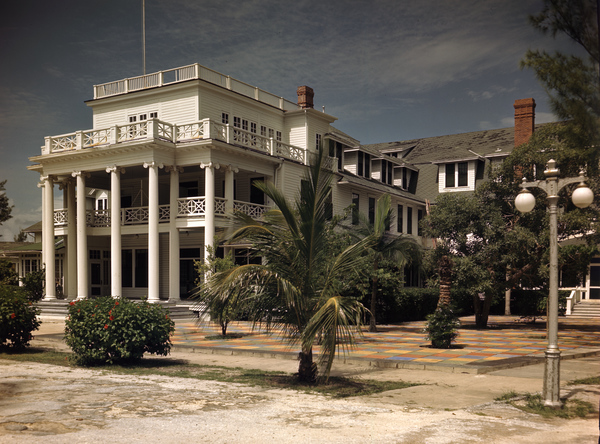
Venice is the rare Gulf coast town that was actually designed. Most of Southwest Florida grew from a plat map drawn to sell lots; Venice grew from a 1920s city plan by the landscape architect John Nolen, commissioned by the Brotherhood of Locomotive Engineers, with a Northern Italian Renaissance architectural theme, wide landscaped avenues, and a downtown laid out for walking. Buyers weighing historic Venice against newer, master-planned Wellen Park vs. Venice comparison should compare both before deciding.
A century later that plan is still the reason Venice feels different from its neighbors. The downtown works. The streets have canopy. The beach is at the end of the road rather than behind a gate. If you are relocating and you keep hearing “you should look at Venice,” this is why.
Here is how the town breaks down for a buyer.
Venice Island vs Mainland Venice
The first thing to understand is that Venice Island is an island because someone made it one. The Intracoastal Waterway was cut through in the 1960s, separating the original downtown and beachfront from the mainland. Bridges carry you across.
The island holds the historic downtown grid, the municipal beach, the fishing pier area to the south, the airport, and a mix of older single-family homes, mid-century apartments, and condominium buildings. It is compact and genuinely walkable. Many island residents run their whole week — coffee, groceries, dinner, beach, doctor — without a highway.
The island trades space for position. Lots are smaller, much of the housing stock is older, and you are living inside a district that draws visitors. Prices reflect the scarcity of a walkable beach town with a finite footprint.
Mainland Venice stretches east and south, and it is where most of the inventory is: established subdivisions from the 1960s through the 1990s, newer gated communities toward the eastern edge, larger lots, more garage, more yard, more of the everyday retail. You drive more. You get more house.
Neither is objectively better. The question is whether you want to walk your life or drive it, and buyers who answer that honestly on day one shop far more efficiently.
If a brand-new, amenity-built town is more your speed than an established island, our Wellen Park vs Venice comparison puts the two side by side on setting, price and beach access.
The Walkable Downtown District
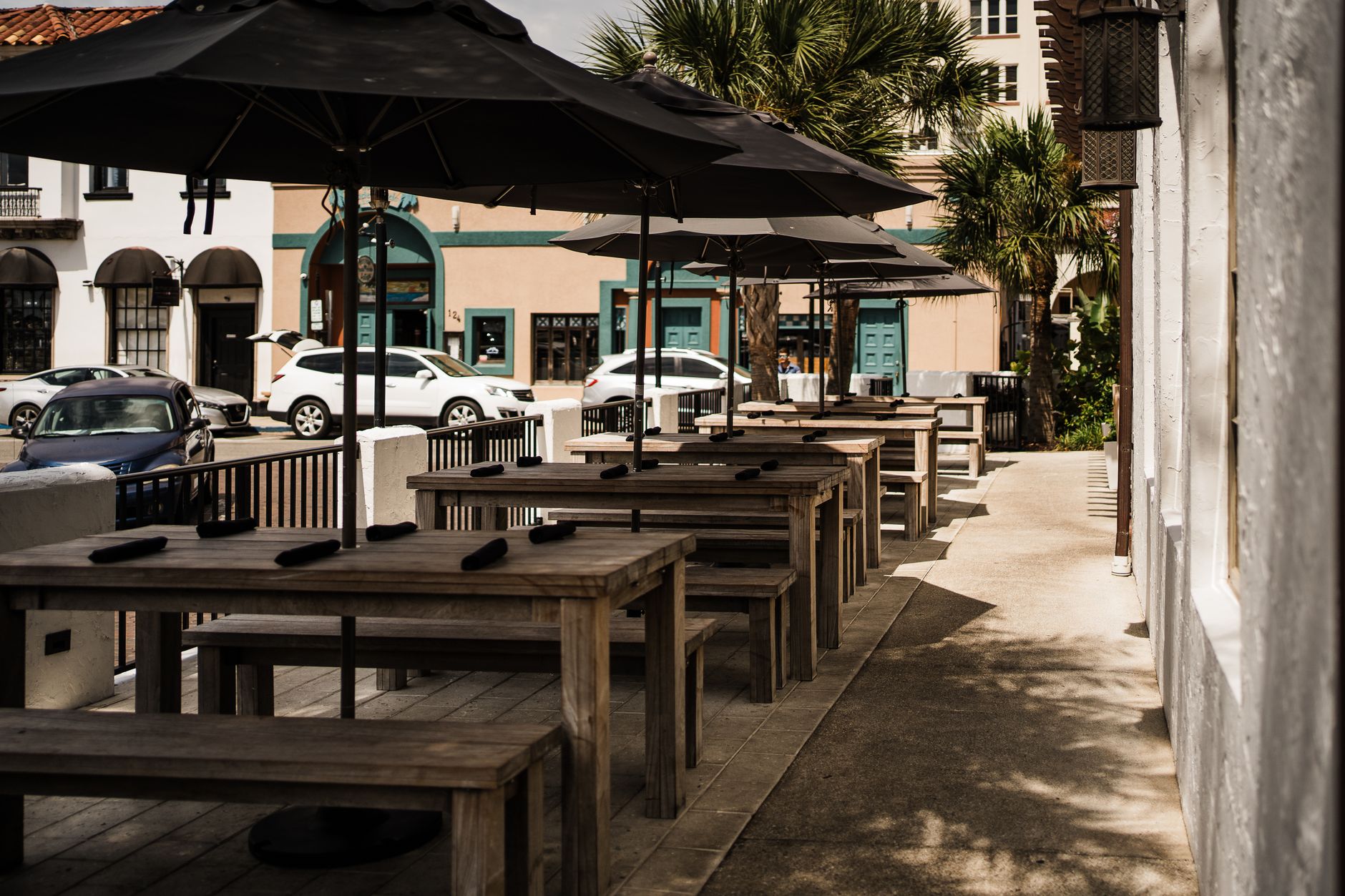
Venice Avenue and the surrounding blocks are the practical center of town: independent shops, restaurants with sidewalk seating, a theater, a farmers market, and enough tree cover to make a summer walk survivable. The scale is deliberately small — two- and three-story buildings, on-street parking, short blocks.
The Legacy Trail, the rail-trail corridor running down from Sarasota, reaches the Venice area and connects the town into a long paved route for cycling and walking. For a lot of buyers relocating from places where “bike infrastructure” means a painted line, this is a genuine lifestyle feature worth touring.
Downtown-adjacent housing carries a premium and turns over less often. If a walkable address is your priority, be prepared to move quickly and to compromise on square footage or age of home rather than on location — the location is the whole point.
Beach Access and Shoreline Character
Venice’s public beaches are one of its strongest arguments.
Venice Beach sits at the west end of the island, close enough to downtown for a short walk from many addresses. South of it, Service Club Park, the fishing pier area at Brohard Park, and Caspersen Beach continue the shoreline with progressively less development and more natural dune and scrub.
Caspersen is the wild one — a long, largely undeveloped stretch that is also the center of the area’s fossil shark-tooth hunting, the pastime Venice is genuinely known for. The dark, dense little teeth wash up along this shore, and sifting for them is a real local habit rather than a tourist invention.
Brohard Paw Park offers dog-accessible beach, which matters more to more buyers than most listing descriptions acknowledge.
North of the island, the Venice Inlet connects the Gulf to the Intracoastal, with the North Jetty and Nokomis Beach on the far side — a favorite for watching boats run the pass.
Established Neighborhoods Worth Touring
South of the island, South Venice is a large, mostly unincorporated grid of modest homes on generous lots with no blanket association. Its distinguishing feature is the civic association’s private beach and boat ramp arrangement, with a ferry across to the Manasota Key shoreline — a membership-based amenity that is unusual, well established, and worth asking about specifically if you are shopping there.
Venice Gardens and the surrounding mainland subdivisions offer the classic Florida single-story block home on a real lot, often at the most accessible entry point in the area, with a mix of original and thoroughly updated houses on the same street.
Golden Beach and the pockets along the shoreline south of the island are smaller, older, and closer to the water, with the pricing you would expect from that proximity.
Pinebrook and the neighborhoods along the Jacaranda Boulevard corridor sit in the middle of the map and the middle of the market — established, convenient to both the island and I-75, and typically the most balanced compromise for a buyer who wants neither the smallest lot nor the longest drive.
Newer Communities East of Town
East and southeast of the historic core, along and beyond Jacaranda Boulevard and out toward the interstate, is where the newer master-planned inventory sits: gated communities with amenity centers, golf, resort-style pools, maintained landscaping, and association or district governance.
This is a fundamentally different product. You are buying newer construction, current building standards, and a managed environment, and you are paying recurring assessments for it. Ask for the full carrying cost — association dues plus any community development district assessment on the tax bill — before comparing a gated home to an unassociated one. The sticker prices are not comparable until you do.
Note also that several communities marketed under a “Venice” address sit across the line in the North Port jurisdiction. That affects your city services, your permitting authority, and sometimes your taxing districts. Verify the actual jurisdiction with the property appraiser rather than the mailing address, and see our North Port buyer’s guide for what that side of the line involves.
Everyday Amenities and Medical Access
Venice punches above its size on services, which is a substantial part of why it attracts relocating buyers in their retirement years and the years before.
Sarasota Memorial Hospital operates a Venice campus, and the surrounding corridor has accumulated the medical offices, specialists, and outpatient services that follow a hospital. That is a meaningful practical advantage over towns of similar size on this coast.
Everyday retail concentrates along US-41 and the Jacaranda corridor. The island keeps the independent shops and restaurants; the mainland keeps the big-box and grocery anchors. Venice Municipal Airport, on the island, handles general aviation; commercial travel means Sarasota-Bradenton to the north, Punta Gorda to the south, or Fort Myers further down.
Matching a Neighborhood to Your Routine
Run the same exercise here that works everywhere on this coast: map your actual week, then find the neighborhood that shortens it.
If your week has a beach walk, a coffee shop, and a restaurant in it most days, buy on or near the island and accept the smaller, older house.
If your week has a workshop, a boat trailer, grandchildren visiting, and a Costco run, buy on the mainland and enjoy the extra thousand square feet.
If your week involves an amenity center, a pool with people in it, and a tennis or pickleball group, buy in one of the newer eastern communities and budget the assessments honestly.
And if boating is the center of your plans, understand that Venice’s water is Intracoastal and inlet water rather than the canal-and-lift culture further south. Buyers whose whole plan is a dock behind the house should also look at Punta Gorda Isles and compare directly.
Tour in the middle of a weekday, then again on a weekend, and if you can, once in peak season. Venice’s traffic and parking change character seasonally, and a January impression and an August impression of the same street can be very different.
If you want a tour built around your actual routine rather than a list of open houses, reach out to Sabatino Campilii, Realtor®, License SL3363040. I will map the neighborhoods to how you plan to live and tell you plainly where the tradeoffs land.
Sabatino can answer it in five minutes — no pressure, no listing-agent spin.
Realtor®, License SL3363040
25-year builder, developer, and licensed Realtor® representing buyers and sellers across the Southwest Florida Gulf-coast pockets. Reviewed and published June 11, 2026.
Have Sabatino represent you — before you call any listing agent.