New Construction vs Resale on the Gulf Coast
Almost every buyer who calls me about Southwest Florida eventually asks some version of the same question: should we buy something already standing, or build? On this coast the answer is less about taste than most people expect. It is about where the buildable land actually is, how long you are willing to wait, and how much of your ownership experience you want to control versus inherit. That new-vs-resale decision often runs alongside another one, and our how condos and single-family homes compare on the Gulf Coast covers the condo-vs-house question in the same detail.
I’m Sabatino Campilii. I work the Charlotte Harbor and Gasparilla Island corridor — Boca Grande, Placida, Rotonda West, Punta Gorda, Port Charlotte, Englewood, and the Cape Coral canal grid. What follows is the same framing I use with buyers before we start touring anything.
The Real Trade-Offs Buyers Face
Strip away the marketing on both sides and you are trading three things against each other: time, certainty, and location quality.
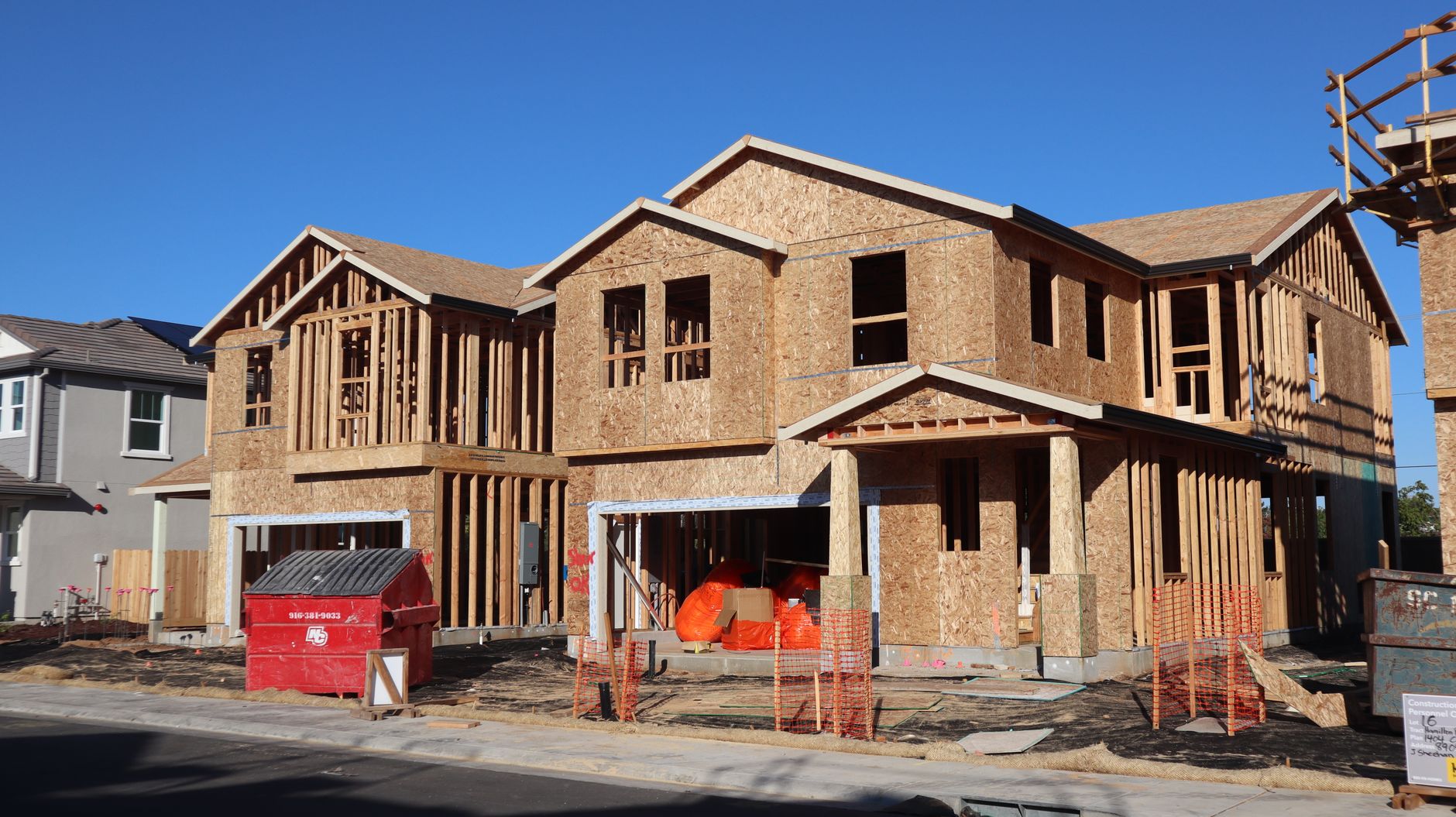
New construction gives you modern building standards, current wind-load engineering, a warranty period, and finishes chosen by you rather than by a previous owner in a different decade. What it costs you is time, and — critically on this coast — location. The lots still available for new builds are, by definition, the lots nobody built on yet. Sometimes that is simply because a platted community like Rotonda West or the Cape Coral grid was laid out with far more lots than have been absorbed. Sometimes it is because the parcel is landlocked from navigable water, sits at the wrong end of a canal, or has a drainage or access complication that made it the last one standing.
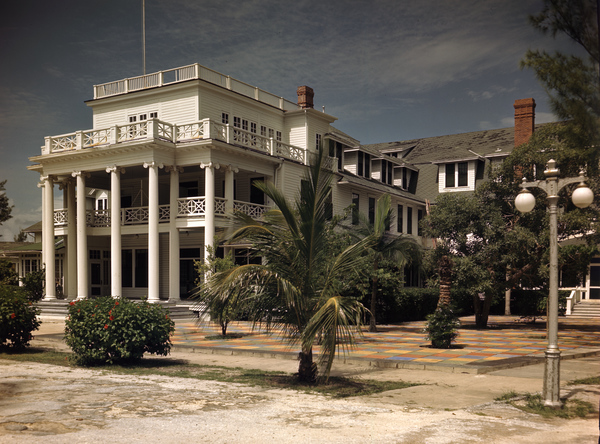
Resale gives you the opposite bundle. You can see exactly what you are buying, you can be in it in weeks rather than seasons, and on the barrier islands and in the older canal sections you get access to locations that simply are not available any other way. What you inherit is the previous owner’s decisions: their roof age, their seawall, their windows, their HVAC, their choice of when to defer maintenance.
Neither is universally better. The buyer who is wrong is the one who picked based on a brochure instead of on which of those three variables they can least afford to compromise.
Build Timelines and Contract Terms
The single most common misunderstanding I correct is about timelines. A build schedule quoted at contract signing is a plan, not a promise, and on the Gulf coast several things routinely stretch it: county permitting queues, inspection scheduling, trade labor availability, material lead times, and weather. Hurricane season runs June through November, and even a storm that does no damage locally can stall deliveries and inspections for weeks.
That is not a reason to avoid building. It is a reason to read the contract as carefully as you would read a survey. Before signing with any builder, I want buyers to understand, in writing:
- What triggers the start of the clock. Contract date, permit issuance, and slab pour are three very different starting points.
- What the delay provisions actually say. Look for force majeure language, extension rights, and whether there is any remedy for you at all if the schedule slips.
- Whether the price is fixed or subject to escalation. Material escalation clauses are legitimate, but you need to know your exposure before you sign, not after.
- What the allowance structure covers. Allowances for flooring, cabinetry, fixtures and landscaping are where a base price becomes a final price. Ask what a realistic finished number looks like for the specification you actually want.
- How change orders are priced and approved. Every change costs money and time; the question is how transparently.
- What happens to your deposit and under what circumstances it is refundable.
A builder representative on site works for the builder. That is not a criticism — it is a job description. Have your own representation review the agreement before you sign, and consider having an independent inspector do progress inspections at framing, pre-drywall, and final. Pre-drywall is the last moment anyone can look at the bones without demolition.
Warranties and Early-Ownership Issues
New homes typically carry a builder’s warranty structure, often layered: a short period for workmanship and finishes, a longer one for systems like plumbing and electrical, and a longer one still for major structural elements. The specifics vary by builder, so read the actual warranty document rather than the summary in the sales brochure, and note the claim process and deadlines.
Practically, the first year in a new home is a punch-list year. Settling produces drywall cracks. Grout and caulk lines move. Doors need adjustment. Irrigation heads need rebalancing once the sod establishes. None of that is alarming, but it means the warranty is only as valuable as your discipline in documenting issues and submitting them before the window closes. Keep a running list from day one, photograph everything, and submit in writing.
Resale homes generally convey as-is with a right to inspect, which puts the burden entirely on your diligence period. On this coast that diligence has a specific shape: roof age and permit history, HVAC age, evidence of prior water intrusion, window and door impact ratings, electrical panel type, and — if there is water behind the house — the seawall and dock. Home warranty products exist for resale purchases, but they are service contracts with exclusions, not the equivalent of a structural warranty.
Established Landscaping and Mature Lots
This one is undersold. A new build in a recently cleared section arrives with sod, a handful of young palms, and full sun on every window. A resale in an established neighborhood arrives with thirty or forty years of canopy, mature buttonwood and live oak, an irrigation system whose quirks are already worked out, and shade where shade actually matters. In this climate, mature planting is not decoration — it changes how the house lives and what it costs to cool.
Established neighborhoods also come with settled infrastructure. Drainage patterns are proven, roads are finished, and you are not living beside an active build site for several years while the rest of the section fills in. If you are buying in a partially built community, ask how many lots remain unbuilt and plan for construction traffic accordingly.
The counterpoint is honest too: mature landscaping means mature trees near a roof, root systems near seawalls and pool cages, and a decade or two of accumulated pruning debt.
Canal and Waterfront Availability
Here is where the decision often gets made for you. On the barrier islands and in the older waterfront sections, the desirable positions were claimed generations ago. If your priority is a canal with genuinely quick, unobstructed access to open water — or anything at all on Gasparilla Island — you are almost certainly shopping resale, and possibly teardown-and-rebuild rather than new construction on a virgin lot.
Not all waterfront is equal, and the distinctions matter more than the word “waterfront” in a listing. Whether a canal has fixed bridges between the dock and open water, how the canal is oriented for wind and current, and how it connects to the larger system all shape what you can keep behind the house. I cover that in more detail in the Punta Gorda Isles canal homes guide and the Cape Coral Gulf-access canals guide.
If a buildable waterfront lot does come up, verify before you fall for it: confirm the seawall condition and who is responsible for it, confirm the dock permitting path with the relevant county or city, confirm setbacks and any riparian complications with a current survey, and confirm the flood zone designation on the current FEMA flood map rather than an older one. Those answers change the cost of building far more than the finish package does.
Customization vs Move-In Readiness
Building lets you solve for how you actually live: ceiling heights, sightlines to the water, where the kitchen sits relative to the lanai, generator and impact-window specifications, garage depth for a boat or a golf cart. Those are real advantages, and for a primary residence they compound over decades of daily use.
Move-in readiness is a real advantage too, and it is the one seasonal buyers usually underrate. If your intention is to be here for part of the year, a build that runs long can cost you an entire season of use. If you plan to rent the property at all, a resale in an established neighborhood lets you start immediately — and it comes with a location renters already recognize. Owners weighing that path should read the Boca Grande rental considerations for owners piece before committing.
There is also a middle path that gets overlooked: buying a resale in the right location and renovating on your own schedule. You capture the mature lot and the established canal position, and you phase the improvements as budget and permitting allow.
Choosing Based on Your Timeline
The cleanest way I know to decide is to answer four questions honestly.
When do you need to be in it? If the answer is inside a year, resale is the realistic path.
How location-specific is your requirement? The more specific the water access, the more likely resale — or a rebuild on an existing lot — is your only route.
How much project management appetite do you have? Building well requires attention: site visits, decisions, inspections, and a willingness to push. If you are managing it from another state, budget for a local representative.
What is your holding horizon? A long horizon rewards getting the location and layout exactly right. A shorter one rewards certainty and speed.
Whichever way you lean, do the same underlying homework: verify flood zone on the current FEMA maps, check the parcel and permit history with the county property appraiser and building department, get insurance quotes before you are under contract rather than after, and understand any association or district obligations attached to the community.
If you want help comparing a specific builder contract against a specific resale listing — or want to know honestly which route fits the location you have in mind — reach out and let’s talk it through before you commit to either.
Sabatino can answer it in five minutes — no pressure, no listing-agent spin.

Realtor®, License SL3363040
25-year builder, developer, and licensed Realtor® representing buyers and sellers across the Southwest Florida Gulf-coast pockets. Reviewed and published July 8, 2026.
Have Sabatino represent you — before you call any listing agent.