Punta Gorda Isles Canal Maintenance and Ownership
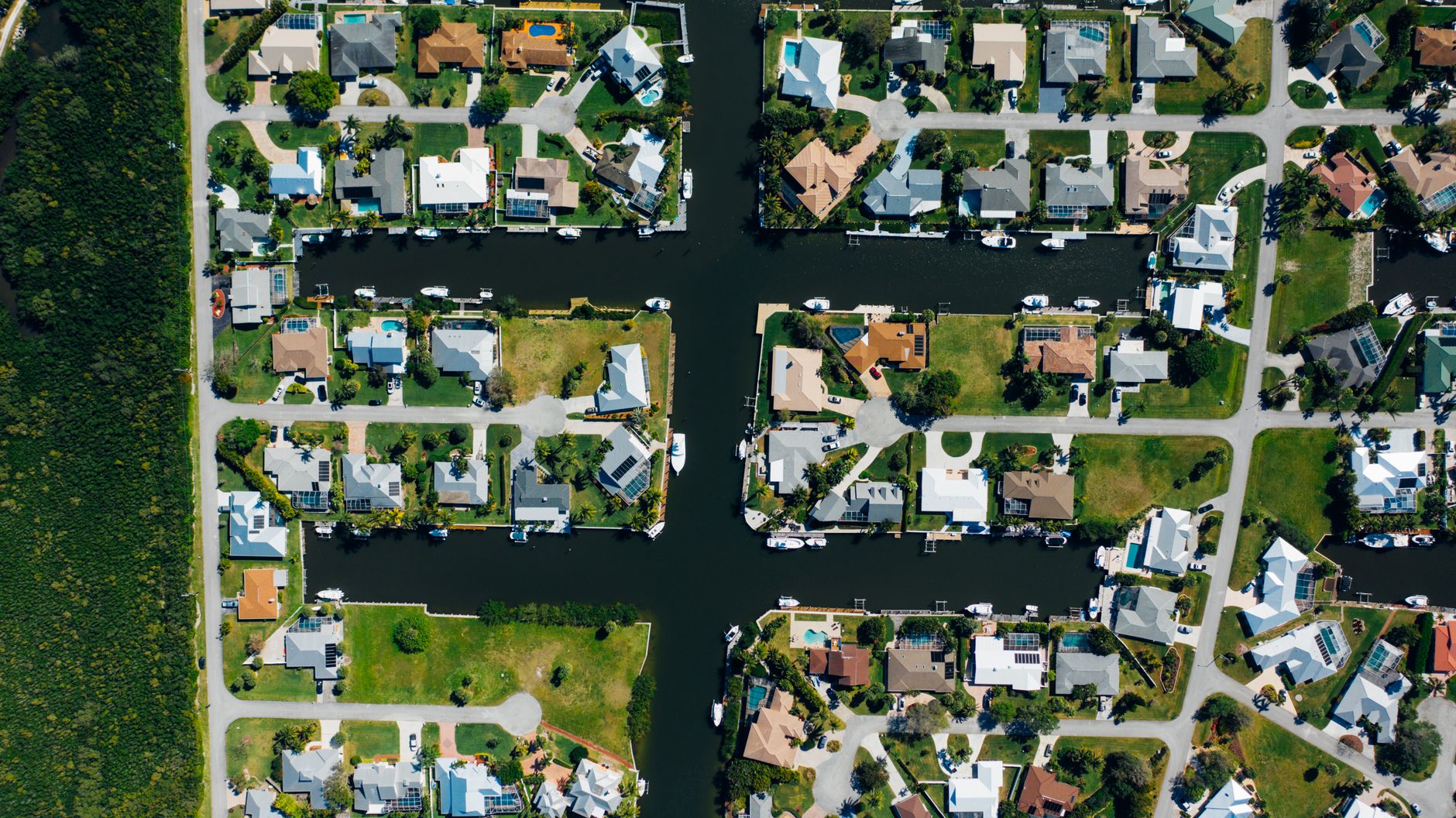
Punta Gorda Isles is one of the most deliberately engineered residential waterfronts in Florida. The canal grid was cut so that nearly every lot in the core sections backs to navigable water with a run out to Charlotte Harbor. That engineering is the reason PGI works — and it is also the reason ownership here comes with responsibilities that a buyer from an inland market has never had to think about. Not every Punta Gorda buyer wants canal maintenance on their plate, and our guide to historic downtown Punta Gorda covers the walkable, non-waterfront alternative.
I’m Sabatino Campilii. I work Charlotte Harbor and the Gasparilla Island corridor, and PGI is one of the markets I get asked about most. This piece is about the ownership side rather than the buying side — what you are actually taking on behind the house.
For the purchase-decision view of PGI, including the sailboat-versus-power-boat access distinction, see the Punta Gorda Isles canal homes buyer’s guide.
Living With a Canal Behind the House
A canal lot is a different daily experience than a lake or preserve lot, in ways both good and demanding.
The good is obvious: your boat is behind your house, you are minutes from open water, and the view is animated in a way a retention pond never is. Manatees come up the canals. So do dolphins, tarpon in season, and every wading bird on the harbor.
The demanding part is that you now own a piece of engineered shoreline. The seawall holding your yard back from the water is a structure with a service life. The dock is a structure with a service life. Everything metal within reach of the water is corroding continuously. Water levels move with tide and wind. Debris arrives after every storm. And the canal itself, while it looks static, is a maintained system that gradually shoals and requires periodic attention.
None of that is a reason to avoid canal living. It is a reason to buy with your eyes open and to budget on a long horizon rather than assuming the property is static.
Seawall Ownership and Responsibility
This is the central question, and the answer depends on the specific property and the specific section — which is exactly why it must be verified parcel by parcel rather than assumed from a general rule.
In canal communities across Southwest Florida you will encounter several arrangements: seawalls owned and maintained entirely by the individual property owner; seawalls maintained by a municipality or district under a program funded through assessments; and hybrid arrangements where responsibility is split between the wall structure, the cap, and the tie-back system. Some parcels have easements granting a public entity access to maintain the wall. Some have recorded obligations running with the land.
Do not accept a verbal answer on this. Before you close on any canal-front property in Punta Gorda, establish in writing:
- Who owns the seawall structure, and who is responsible for maintaining and eventually replacing it
- Whether the parcel is subject to any recorded seawall easement or maintenance obligation
- Whether any assessment — current or historical — relates to seawall work
- When the wall was built or last replaced, and whether permit records exist for that work
- The condition of the wall today, from a qualified marine contractor or engineer
The physical inspection matters as much as the paperwork. Seawalls fail in recognizable ways: the cap cracks or separates, the wall leans waterward, soil sinks behind it in a line parallel to the wall, weep holes clog and the filter fabric behind them fails, panels separate at the joints, and tie-backs corrode where they are inaccessible. Sinkholes or depressions in a yard near the wall are a serious sign, not a landscaping issue.
Get a marine contractor to look at it during your inspection period — a general home inspector is not the right professional for this, and a visual walk along the cap does not constitute an inspection. Ask specifically about the condition of the cap, the panel joints, the tie-back system, and the soil behind the wall.
City Programs and Records to Verify
Punta Gorda is an incorporated city with its own government, and the canal system in PGI is a significant piece of municipal infrastructure. That means the answers to a lot of ownership questions live in city and county records rather than in a listing.
Where to look:
The City of Punta Gorda. For canal maintenance responsibilities, any seawall or canal-related program and how it is funded, dock and dredging permit requirements, and the permit history for the specific address. Call or visit the relevant department and ask directly what applies to that parcel; policies and programs change, and the current answer is the only one that matters.
Charlotte County Property Appraiser. For the parcel record, legal description, assessed value, exemptions, and the taxing authorities and special districts that apply to the property.
Charlotte County Tax Collector. For the actual tax bill, which itemizes ad valorem taxes and non-ad valorem assessments. If there is an assessment tied to canal or seawall work, this is where it appears.
Charlotte County Clerk of Court. For recorded documents — deed, easements, restrictions, and any recorded agreements affecting the parcel.
FEMA flood map service. For the current flood zone designation for the parcel. Do not rely on an older determination or a seller’s description.
Pull these yourself, or have your agent and title company pull them, early in the contract period. The information is public and the cost of getting it is essentially your time.
Vegetation, Debris and Waterway Upkeep
Day-to-day canal upkeep is mostly unglamorous and mostly the owner’s.
Vegetation along the wall. Roots are the enemy of a seawall. Large trees planted close behind a wall can displace the cap and the panels over years. Vines and shrubs growing on the wall face hold moisture and hide developing problems. Keep the line along the wall clear enough to inspect.
Mangroves. Where mangroves grow along or near a shoreline, trimming and removal in Florida are regulated. This surprises new owners regularly. Confirm what applies before cutting anything — the penalties for getting it wrong are not trivial and the rules are not intuitive.
Floating debris. Storms and heavy rain push vegetation, docks, and general debris into the canal system. Clearing what accumulates at your wall is generally yours to handle; larger obstructions in the waterway may be a city matter. Ask who to call before you need to.
Water quality events. Southwest Florida experiences periodic algae and red tide events driven by conditions in the harbor and Gulf. They are episodic, they vary considerably year to year, and current conditions are published by state monitoring programs. Anyone considering a purchase here should understand that these events occur, check the current published monitoring data rather than anecdote, and factor the possibility into expectations.
Shoaling. Canals gradually accumulate sediment, which reduces depth over time — most noticeably at canal ends and intersections. Ask when the relevant canal was last dredged, and who is responsible for maintenance dredging.
Dock Permits and Modifications
Anything you build or modify over the water is a permitted activity. Docks, lifts, davits, extensions, and seawall repair or replacement typically require local approval, and depending on the scope and location may involve state or federal review as well.
Practical guidance:
Before you buy, verify that the existing dock and lift were permitted. Ask the city building department for the permit history at the address. Unpermitted structures over water are a genuine liability: they can complicate insurance, complicate resale, and create an obligation to remedy when you apply for any new permit.
Before you build, get a licensed marine contractor who works in Punta Gorda regularly to scope the project and handle permitting. Local experience is worth more than a lower bid here, because the process rewards familiarity.
Match the lift to the vessel with margin. Undersized lifts are a common and expensive error, and an overloaded lift damages both the lift and the boat.
Confirm the boundary situation before extending anything. Dock extensions and lift installations are exactly the projects that surface encroachment problems. A current survey resolves this cheaply — see waterfront property surveys and what they reveal.
Planning for Long-Horizon Repairs
The single most useful mental shift for a canal owner is to stop thinking in annual maintenance terms and start thinking in replacement cycles.
Seawalls, docks, pilings, lifts, roofs, and air conditioning systems all have finite lives. Each of them will need major work or replacement at some point during a long ownership. The owners who handle this well set money aside on a schedule rather than absorbing each event as a shock.
To build a realistic plan for a specific property, establish the age and condition of each major component at purchase, get current replacement estimates from local contractors — actual quotes for that property, not general figures — and set aside against those numbers over the expected remaining life. Costs in this market move, so refresh the estimates every few years.
Also budget for the constant, low-grade work that a marine environment demands: rinsing, fastener replacement, coating maintenance, and equipment service. That routine is covered in salt air maintenance for coastal homes, and it directly determines how long the big-ticket items actually last.
And have a storm plan written down before you need it: what gets secured, who does it if you are not here, where the boat goes, and how the property gets inspected afterward.
Questions to Ask Current Owners
If you can talk to the seller or to neighbors, these questions produce better information than any listing sheet:
When was the seawall last inspected, repaired, or replaced, and by whom? Has there been any settlement or sinking in the yard near the wall? When was the dock built, and was it permitted? What is the depth at the dock at low tide, and has it changed? When was this canal last dredged? What is the run to open water, and are there any bridges? How has the property fared in past storms, and what was repaired? What does the annual maintenance actually cost here? What are the insurance premiums, and has coverage been difficult to obtain or renew? Are there any city programs or assessments affecting this property?
Ask for documentation to back up the answers — permits, invoices, inspection reports. Owners who have maintained a property well generally have the paperwork and are glad to show it. Owners who do not have it are telling you something too.
If you are looking at a specific canal home in PGI and want help sorting out what you would actually be responsible for behind that house, get in touch and we’ll work through the records together before you commit.
Sabatino can answer it in five minutes — no pressure, no listing-agent spin.

Realtor®, License SL3363040
25-year builder, developer, and licensed Realtor® representing buyers and sellers across the Southwest Florida Gulf-coast pockets. Reviewed and published July 15, 2026.
Have Sabatino represent you — before you call any listing agent.