Manasota Key Home Buyer’s Guide
Manasota Key is the barrier island that most Southwest Florida buyers drive past without registering. It sits between Lemon Bay and the Gulf of Mexico, running roughly northwest to southeast off Englewood, and it has stayed low, quiet, and largely single-family in a stretch of coast where that outcome was never guaranteed.
For buyers who want a genuine barrier island address without the scale and formality of Boca Grande or the density of the Sarasota beaches, this is the island worth understanding. Here is how it works.
The Shape and Scale of Manasota Key
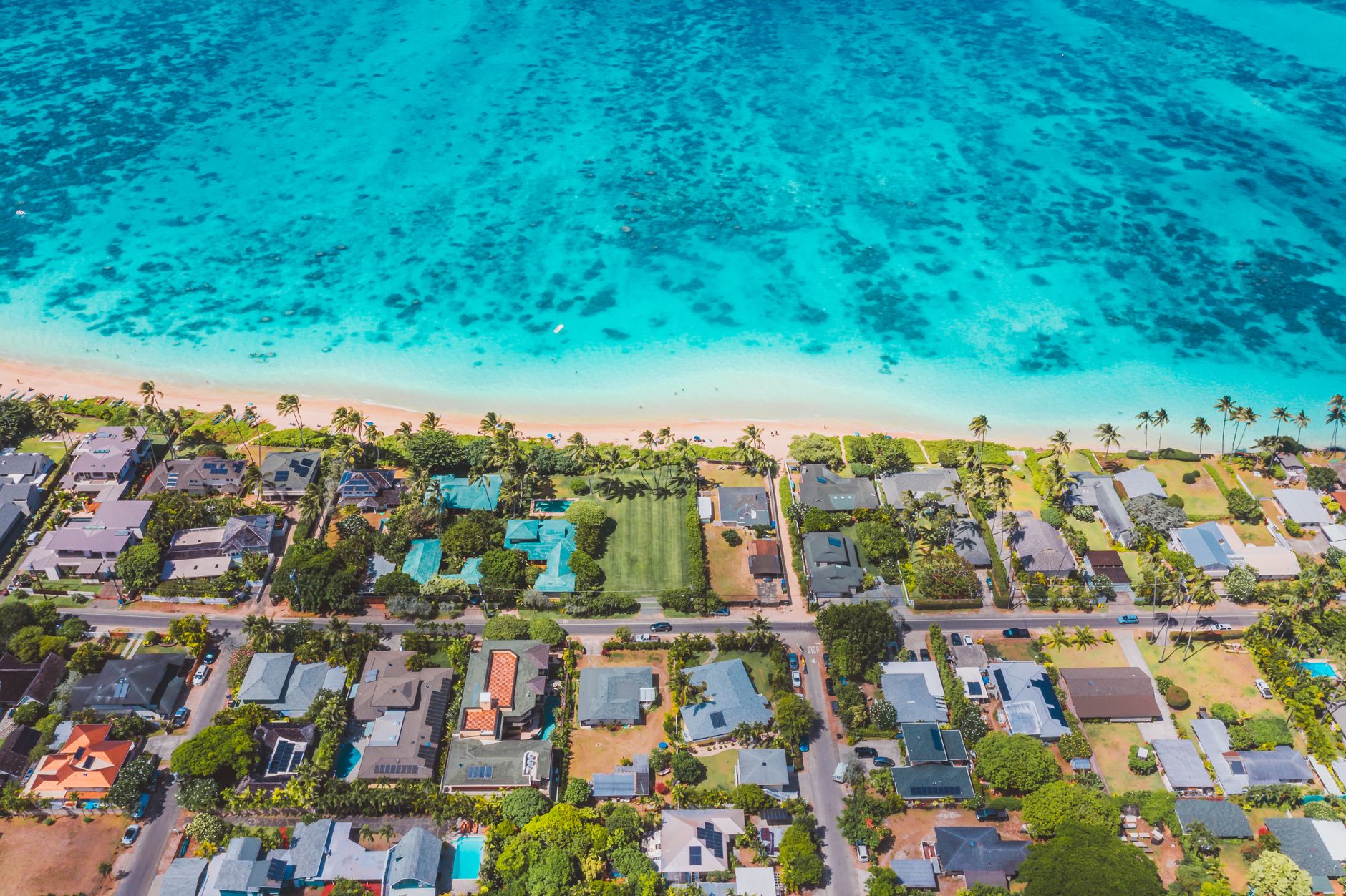
The key is long and narrow — several miles of shoreline with the Gulf on one side and Lemon Bay on the other, and in many places only a couple of hundred yards between them. A single road runs its length, changing names as it goes: Manasota Key Road through the northern, Sarasota County portion, and Beach Road at the southern, Charlotte County end.
The key spans two counties. The northern section falls in Sarasota County; the southern section, including Englewood Beach, is in Charlotte County. This is not a trivia point. It determines which property appraiser holds the parcel record, which building department issues permits, which floodplain administrator answers your substantial improvement question, and which county’s land development code governs what you can build. Buyers comparing two properties a mile apart on the same island are sometimes comparing two regulatory environments. Our comparison of Charlotte and Sarasota county considerations for buyers covers those differences.
Behind the key, Lemon Bay carries the Gulf Intracoastal Waterway. At the southern tip sits Stump Pass, with Stump Pass Beach State Park occupying the end of the island. Beach Road at Englewood Beach is the commercial node — a small cluster of restaurants, beach access, and the public beach at Chadwick Park.
Gulf-Side, Bay-Side and Gulf-to-Bay Lots
Because the island is narrow, lot orientation is the defining variable, and there are three basic configurations.
Gulf-side. Direct or near-direct frontage on the Gulf of Mexico. Sunsets, beach access from your own property, and the highest exposure to wind, salt, and coastal construction regulation. Gulf-side building is subject to Florida’s coastal construction control line review in addition to local permitting, and dune systems and beach vegetation are protected. Lighting rules apply during sea turtle nesting season, which on Florida’s Gulf coast generally runs May 1 through October 31.
Bay-side. Frontage on Lemon Bay. Calmer water, sunrise views, and — critically — the possibility of a dock. This is where boating households end up, because you cannot keep a boat on the Gulf side.
Gulf-to-bay. The parcel spans the full width of the key, with Gulf frontage on one side and bay frontage on the other. These are the scarcest and most sought-after properties on the island: beach in front, dock behind, and no road crossing between you and either. They are limited in number by simple geometry and they rarely trade.
The tradeoff for most buyers comes down to this: if boating is central, bay-side is the answer, and you walk or drive a short distance to the beach. If the beach is central, Gulf-side, and you keep the boat elsewhere. Gulf-to-bay resolves the tension at a price that reflects its scarcity.
Whatever the orientation, order a current survey. On a narrow barrier island, the relationship between the platted line, the road right-of-way, the seawall or shoreline, and the actual improvements is worth confirming precisely. Our post on what waterfront property surveys reveal walks through what to look for.
Bridge Access From Englewood and Beyond
Two bridges connect the key to the mainland, and knowing both is part of living here.
At the north, Manasota Beach Road crosses Lemon Bay from the Sarasota County mainland. At the south, Beach Road crosses at Englewood Beach in Charlotte County. Both are movable bridges over the Intracoastal Waterway, and both open for vessel traffic on their published schedules. That means occasional waits, and it means that when one bridge is closed for maintenance, traffic patterns on the island change noticeably.
For a buyer, the practical implications are:
- Know which bridge you would use daily for groceries, medical care, and errands, and drive that route at a realistic hour during season before you commit.
- Understand vertical clearance if you keep a sailboat or a vessel with a tall tower, since your route out through Lemon Bay involves these crossings and the Intracoastal’s other fixed structures. Our guide to bridge clearance in Southwest Florida canals explains how to verify clearance properly rather than relying on a chart notation alone.
- Plan around service access. Contractors, deliveries, and emergency services all cross a bridge to reach you. This is normal island life, but it affects scheduling and sometimes cost.
Mainland Englewood is immediately across the bay, with the broader Cape Haze, Rotonda West, and Placida corridor to the south. Buyers who like the area but want mainland logistics should look at that corridor as well — see our gated communities of Cape Haze and Rotonda overview.
Low-Density Character and Zoning
The defining quality of Manasota Key is what is not there. The island is predominantly low-rise and residential, without the high-rise condominium development found on some other Gulf coast barrier islands. The building stock skews toward older beach cottages, mid-century homes, and a scattering of newer elevated construction replacing them.
That character is a product of county land development regulations and long-standing local resistance to intensification rather than an accident. Both counties regulate density, height, and setbacks on the key, and the coastal construction control line adds a state layer on the Gulf side.
For a buyer, the useful question is not “what is here now” but “what could be built next door.” Before you buy for a view or a sense of openness, ask the county planning department what the zoning on the adjacent parcels permits. That is a five-minute call that protects a large decision.
Dockage and Boating From the Bay Side
Lemon Bay is a shallow, protected estuary. That is its charm and its constraint.
Depth is the first question. Many bay-side docks sit in shallow water, and depth at your dock at mean low water — not at high tide on the day you toured — determines what you can keep there. Measure it, or have it measured, and read our guide to understanding water depth at your dock before you assume a listing’s description is precise.
Then the route out. From a Lemon Bay dock, your access to the Gulf runs either south through Stump Pass or north through the Intracoastal toward other passes. Passes on this coast shoal and shift, and channel conditions change. Ask local boaters and the nearby marinas about current conditions rather than relying on a chart alone.
Then the structure. Confirm the dock and any lift are permitted, and check the condition of pilings, decking, and the lift’s cables and motors. Dock permitting in Florida can involve county, state, and federal review depending on the work, and an unpermitted dock is an inherited problem.
For an overview of how access tiers work across this region, our explainer on Gulf access: direct, bridged, and indirect is a useful frame.
Island-Specific Due Diligence
Beyond a standard inspection, a Manasota Key purchase deserves this list:
- Confirm the county. Pull the parcel record from the correct property appraiser and the permit history from the correct building department.
- Flood zone and elevation. Check the current effective FEMA map for the parcel, and ask whether an elevation certificate exists for the structure.
- Substantial improvement rules. If you plan to renovate, call the floodplain administrator with your scope. On low-elevation older island homes, the fifty percent substantial improvement threshold routinely converts a renovation into an elevation project.
- Insurance, early and real. Barrier island properties need bindable quotes for homeowners, windstorm, and flood before your inspection contingency expires. See waterfront home insurance questions to ask.
- Coastal construction control line. For Gulf-side parcels, determine where the property sits relative to it and what state review would apply to any construction.
- Utilities. Confirm whether the property is on central water and sewer or on a septic system, and if septic, get it inspected and get its permit record.
- Rental rules. If you intend to rent, confirm what the applicable county code permits for short-term rental in that zoning district, and whether any recorded restrictions apply to the parcel.
- Seawall and shoreline. On bay-side lots, assess the seawall. Use our seawall condition checklist.
Deciding If Key Living Fits You
Manasota Key rewards a specific temperament. You will cross a bridge for almost everything. Your dining options on the island are limited. Salt will find your hardware. Storm preparation is a seasonal routine rather than an occasional event.
In exchange, you get a genuinely low-density barrier island, a beach known for its fossilized shark teeth, a protected bay behind you, and a pace that most of this coast gave up decades ago.
The way to test the fit is not a tour. Rent on the key for a week outside of peak season and live normally — buy groceries, cross the bridge at five o’clock, sit outside in the evening. Buyers who love it after that week tend to love it permanently.
If you would like to walk the island and look at how Gulf-side, bay-side, and gulf-to-bay properties actually compare for your plans, contact Sabatino Campilii.
Sabatino can answer it in five minutes — no pressure, no listing-agent spin.

Realtor®, License SL3363040
25-year builder, developer, and licensed Realtor® representing buyers and sellers across the Southwest Florida Gulf-coast pockets. Reviewed and published July 5, 2026.
Have Sabatino represent you — before you call any listing agent.